After a stretch of wet or humid weather, you may walk outside and suddenly notice mushrooms popping up across your lawn. For many homeowners, the first reaction is concern: Are mushrooms a sign that something is wrong with my lawn?
Usually, the answer is no. In fact, mushrooms in your lawn are often evidence of something completely natural happening beneath the surface. They are part of a much larger community of fungi living in the soil, helping break down organic material and recycle nutrients. While there are situations where fungi can cause problems for turfgrass, the mushrooms themselves are generally not harming your lawn.
Here’s what those unexpected visitors can tell you about the soil beneath your grass.
Why Are Mushrooms Growing in My Lawn?
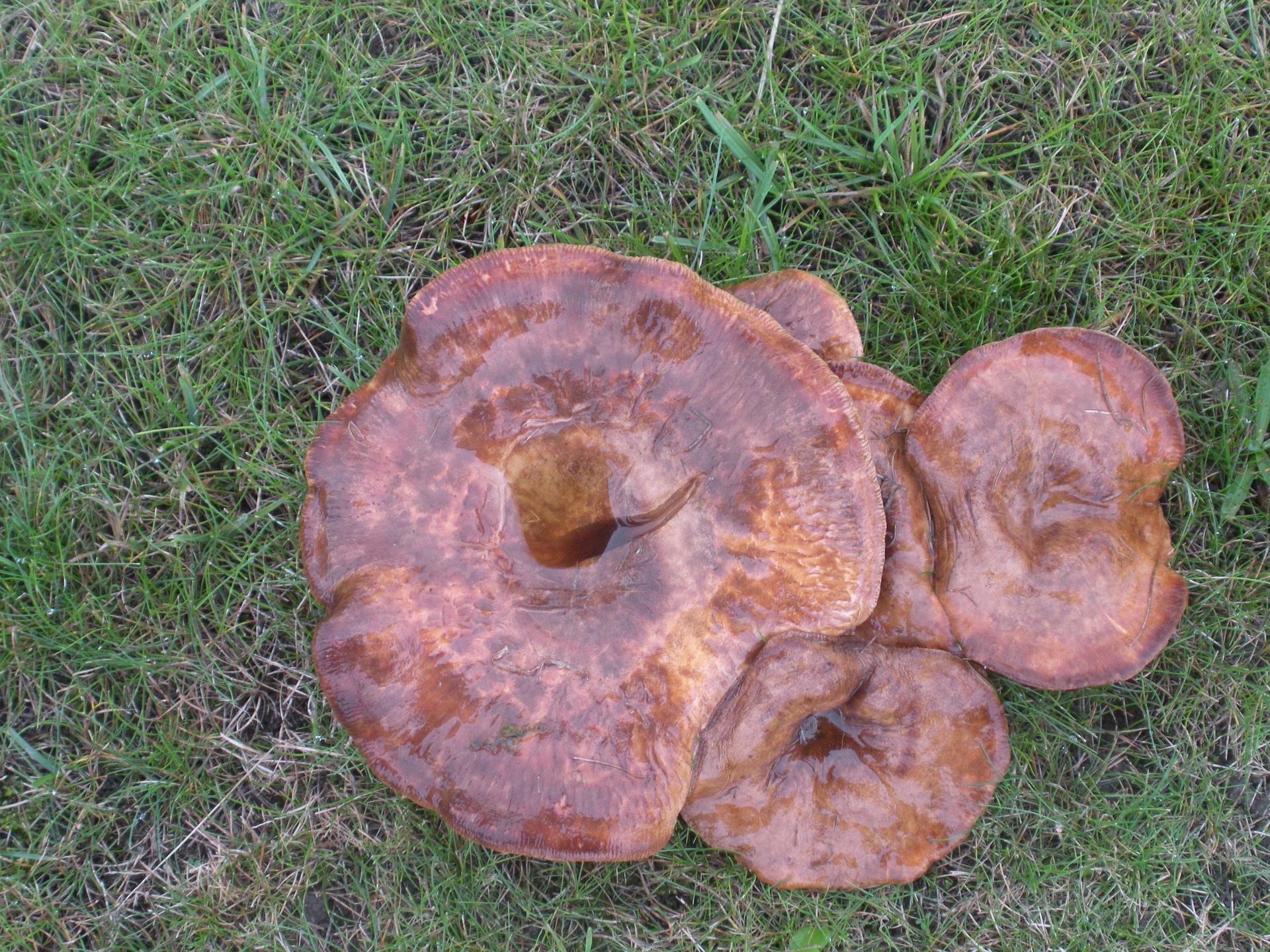 Mushrooms are the visible fruiting structures of fungi living within the soil. Think of them as just one small, temporary part of a much larger organism.
Underground, fungal networks feed on organic matter such as old tree roots, buried wood, grass clippings, thatch, leaves, and other decomposing plant material. When conditions are right—particularly when there is plenty of moisture—some fungi produce mushrooms above the soil surface to release spores.
That’s why homeowners often notice mushrooms appearing seemingly overnight after periods of rainfall, high humidity, or consistent irrigation.
A lawn with mushrooms isn’t necessarily an unhealthy lawn. It may simply have the right combination of moisture, organic material, and active soil biology for fungi to thrive.
Is Fungi in the Soil a Good Thing?
Yes—many types of fungi are an important part of healthy soil.
Soil isn’t just dirt. It’s a living ecosystem filled with bacteria, fungi, microorganisms, insects, and other organisms. Beneficial fungi help break down organic matter, making nutrients available for plants and contributing to the natural nutrient cycle.
Certain beneficial fungi can also form relationships with plant roots, helping plants access water and nutrients more effectively.
This is an important distinction because homeowners often hear the word “fungus” and immediately think of lawn disease. While diseases such as dollar spot, brown patch, and red thread are caused by fungi, not all fungi cause disease.
A healthy soil ecosystem contains many different fungal species that never harm your grass.
Are Mushrooms in Your Lawn Good or Bad?
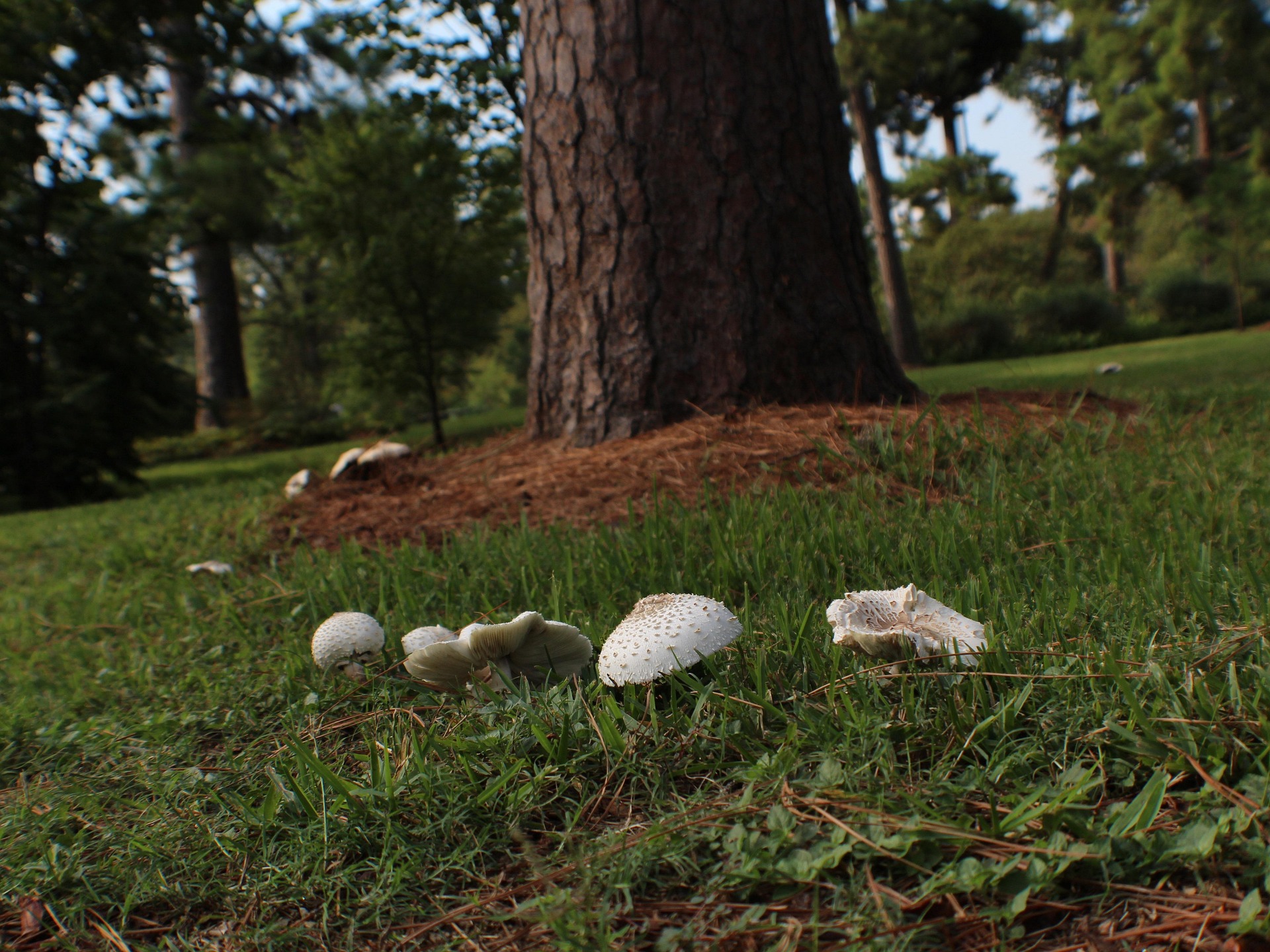 In most cases, mushrooms in your lawn are neither a problem nor something that requires treatment. They are simply a visible sign of fungal activity below the surface.
However, frequent mushroom growth can sometimes provide clues about lawn conditions.
If mushrooms repeatedly appear in one location, there may be decaying organic material underground, such as an old tree root or buried wood. If they appear throughout an especially wet lawn, it could indicate prolonged moisture or poor drainage.
One particular fungal condition homeowners may notice is a “fairy ring,” where mushrooms grow in a circular or partial-ring pattern. Depending on the fungi involved and soil conditions, fairy rings can sometimes affect the appearance or health of the surrounding turf.
The key is determining whether you’re simply seeing harmless mushrooms or whether there are other symptoms occurring in the grass itself.
Should You Remove Mushrooms From the Lawn?
If mushrooms are bothering you aesthetically, you can simply remove them by hand or mow over them. They are often short-lived and will disappear when conditions become warmer or drier.
Removing the mushroom, however, doesn’t eliminate the underground fungus. Since the majority of the fungal organism exists below the soil surface, picking mushrooms is primarily a cosmetic solution.
Rather than trying to eliminate fungi altogether, consider why conditions are encouraging so much mushroom growth.
A few cultural practices may help:
- Avoid overwatering and allow the soil surface to dry between watering.
- Improve drainage in areas that remain consistently wet.
- Remove excessive organic debris from the lawn.
- Address heavy thatch accumulation when appropriate.
- Consider core aeration if compacted soil is contributing to poor drainage.
The goal shouldn’t be to create a fungi-free lawn. Healthy soil naturally contains fungi.
Instead, focus on creating balanced growing conditions that support healthy turfgrass.
Mushrooms vs. Lawn Disease: Know the Difference
 Seeing a mushroom doesn’t mean your lawn has a fungal disease (ex. dollar spot pictured).
Lawn diseases typically produce symptoms in the grass itself, such as thinning turf, discolored patches, spots or lesions on grass blades, irregular brown areas, or circular patches that continue to expand.
If the grass surrounding the mushrooms looks healthy, there is usually little reason for concern.
If you’re seeing mushrooms along with significant discoloration, thinning, or declining turf, that’s when it makes sense to have the lawn evaluated. Correctly identifying the issue is important because treating a harmless mushroom as though it were a turf disease won’t address the actual problem.
What Mushrooms Can Tell You About Your Soil
Instead of automatically viewing mushrooms in your lawn as something bad, think of them as a clue about what’s happening underground.
They may indicate active decomposition and healthy biological activity. They can also tell you that moisture levels are currently high or that organic material is present beneath the surface.
The bigger picture matters. A healthy lawn depends on much more than what you can see above ground. Soil structure, moisture, nutrients, pH, organic matter, and microbial activity all play a role in how well your grass performs.
At Natural Tree & Lawn Care, we look beyond individual symptoms to understand what your lawn and soil actually need. If you’re noticing unusual mushrooms, thinning grass, discoloration, or other changes in your lawn, our team can help identify what’s happening and recommend the right approach to keep your lawn healthy.