If your lawn developed dry, brown or straw-colored patches this summer, heat and drought may not have been the only things to blame. Chinch bugs can cause significant turf damage during hot, dry weather, and their feeding activity can easily be mistaken for ordinary summer stress.
This year, chinch bug damage in Massachusetts lawns became especially noticeable as lawns dealt with periods of heat and dry conditions. For homeowners, knowing what to look for—and addressing an active infestation before the damage spreads—can make an important difference in protecting the lawn.
What Are Chinch Bugs?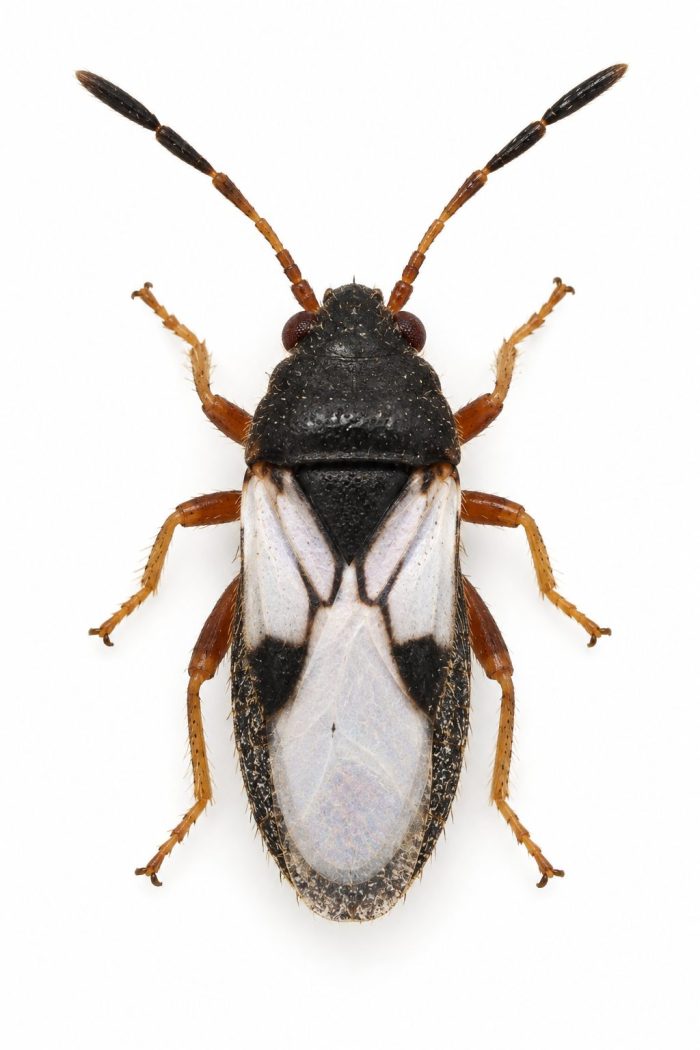
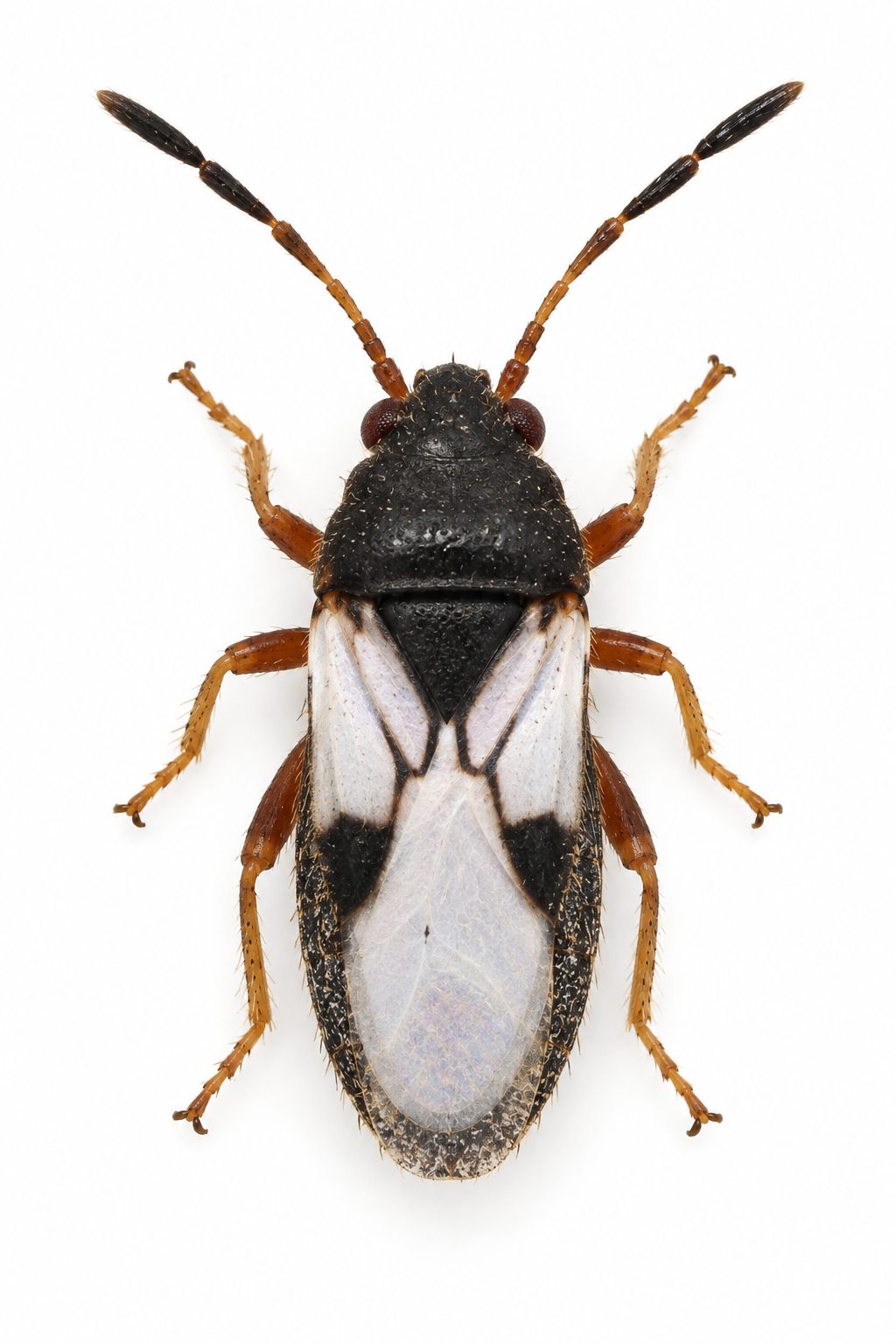
Chinch bugs are tiny turf-feeding insects that live primarily in the thatch layer and near the soil surface. Because of their small size, homeowners often notice the lawn damage long before they ever see the insects themselves.
Adult chinch bugs are typically about 1/5 of an inch long. They have dark-colored bodies and white wings folded across their backs, often creating a distinctive triangular or X- shaped pattern. Young chinch bugs, called nymphs, can appear reddish or orange when immature before becoming darker as they develop.
They may be small, but a large population can have a major impact on turf health.
How Do Chinch Bugs Damage a Lawn?
Chinch bugs feed by piercing grass blades and stems and sucking out plant fluids. During feeding, they also introduce substances into the plant that interfere with its ability to move water effectively. Chinch bugs prefer certain grasses and they tend to stay away from grasses with Endophytic grass cultivars, which we use.
The result is grass that begins to yellow, wilt and eventually turn brown.
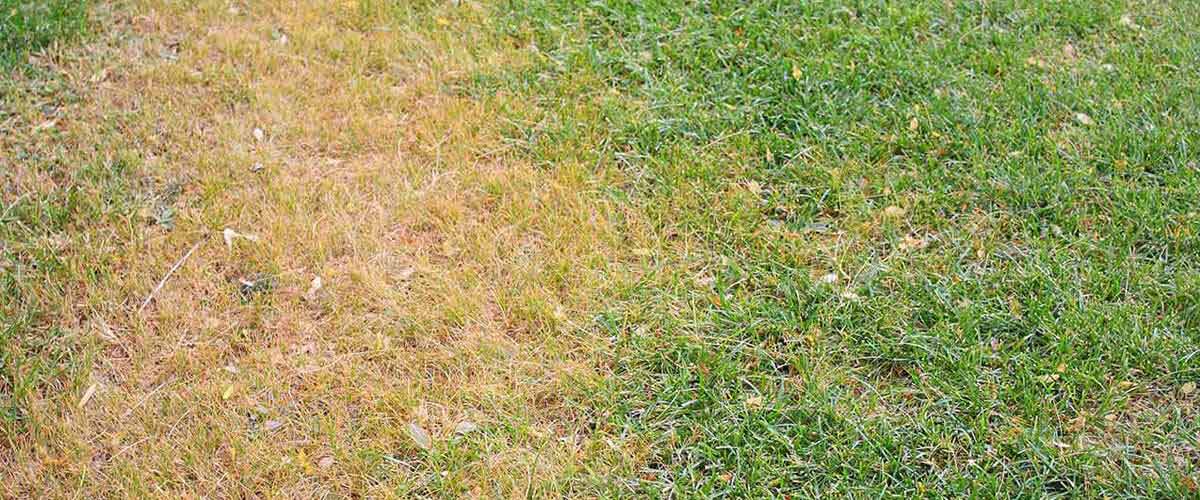
One of the challenges with chinch bug damage in Massachusetts lawns is that the symptoms can look remarkably similar to drought or heat stress. A homeowner may assume the lawn simply needs more water, only to find that the brown areas continue expanding despite adequate irrigation.
Damage often begins in sunny, hot or dry areas of the property, including along driveways, sidewalks and other hardscaped surfaces where temperatures can be especially high.
Why Were Chinch Bugs a Problem This Year?
Chinch bugs tend to thrive under hot, dry conditions—the same conditions that can already place significant stress on cool-season lawns.
When turf is experiencing environmental stress, it has fewer resources available to recover from insect feeding. This creates a difficult combination: the lawn is struggling with heat and moisture loss while chinch bugs are actively feeding on already-stressed grass.
Populations can also increase quickly. Because chinch bugs are so small and spend much of their time within the turf canopy and thatch, an infestation can be well established before homeowners recognize what is happening.
By the time large brown areas appear, considerable feeding may have already occurred.
Is It Chinch Bugs or Drought Stress?
This is one of the most important questions to answer before treating a struggling lawn.
Drought-stressed grass may recover or improve when adequate moisture returns. Chinch bug damage, however, can continue spreading as long as an active population remains in the lawn.
Look for irregular patches of yellowing or brown turf that continue to expand even with proper watering. Damage may be particularly noticeable in sunny sections of the lawn or near pavement.
Because several lawn problems can produce similar symptoms, professional inspection is often the best way to determine whether chinch bugs, drought, disease or another issue is responsible.
Can a Lawn Recover From Chinch Bug Damage?
It depends on the severity of the damage.
Grass that is stressed but still alive may recover once the insect population is controlled and growing conditions improve. Areas where the turf has been severely damaged or killed may require seeding or other renovation to restore density.
That makes early identification particularly valuable. Addressing an active infestation before widespread turf loss occurs can reduce the amount of repair the lawn needs later.
Late summer and early fall are also excellent times to evaluate damaged areas and determine what steps may be needed to help the lawn recover heading into next season.
How Natural Tree & Lawn Can Help
If you’re seeing unexplained brown or thinning areas, don’t assume summer weather is solely responsible. Our team can evaluate your turf, look for signs of insect activity and determine whether chinch bug damage in Massachusetts lawns may be contributing to the problem.
When chinch bugs are present, targeted treatment can help control active populations and prevent additional feeding damage. We can also evaluate the overall condition of your lawn and recommend appropriate next steps for recovery.
Healthy lawns depend on correctly identifying the problem before choosing the solution.
Whether you’re dealing with chinch bugs, drought stress, disease or another turf issue, Natural Tree & Lawn can help you understand what’s happening below the surface and develop a plan to get your lawn back on track.
Seeing brown patches that didn’t recover after summer stress? Contact Natural Tree & Lawn at (781) 297-3674 to schedule an evaluation and find out whether chinch bugs could be the culprit.