
As summer progresses, many homeowners begin noticing new weeds appearing throughout their lawns. While spring often gets the most attention for weed control, summer lawn weeds can quickly take advantage of heat, thinning turf, and dry conditions. Some of the most common broadleaf weeds we encounter this time of year are clover, spotted spurge, and purslane.
The good news is that each of these weeds tells a story about what’s happening in your lawn. Understanding why they’re appearing is the first step toward preventing them from taking over.
Why Do Summer Lawn Weeds Appear?
Healthy, dense turf is the best defense against weeds. During the summer months, however, lawns often experience stress from:
- High temperatures
- Periods of drought
- Heavy foot traffic
- Thin or weak turf
- Compacted soil
When grass begins to thin, weeds are quick to fill the open spaces. Many summer lawn weeds are especially adapted to hot, dry conditions, allowing them to thrive when desirable turfgrass is struggling.
Let’s take a closer look at three of the most common ones.
Clover
 Clover is one of the easiest weeds to recognize. It has clusters of three rounded leaflets and often produces small white flowers that attract bees.
While some people intentionally plant clover, it usually appears in lawns where the turf has become thin or nitrogen levels are low. Clover has the unique ability to pull nitrogen from the air, giving it an advantage over weakened grass.
Why Clover Appears
- Low soil fertility
- Thin or sparse turf
- Areas receiving less fertilizer than the surrounding lawn
How to Reduce Clover
Maintaining proper fertilization and encouraging thick turfgrass helps reduce opportunities for clover to spread. Professional weed control treatments can also target established clover while protecting desirable grass.
Spotted Spurge
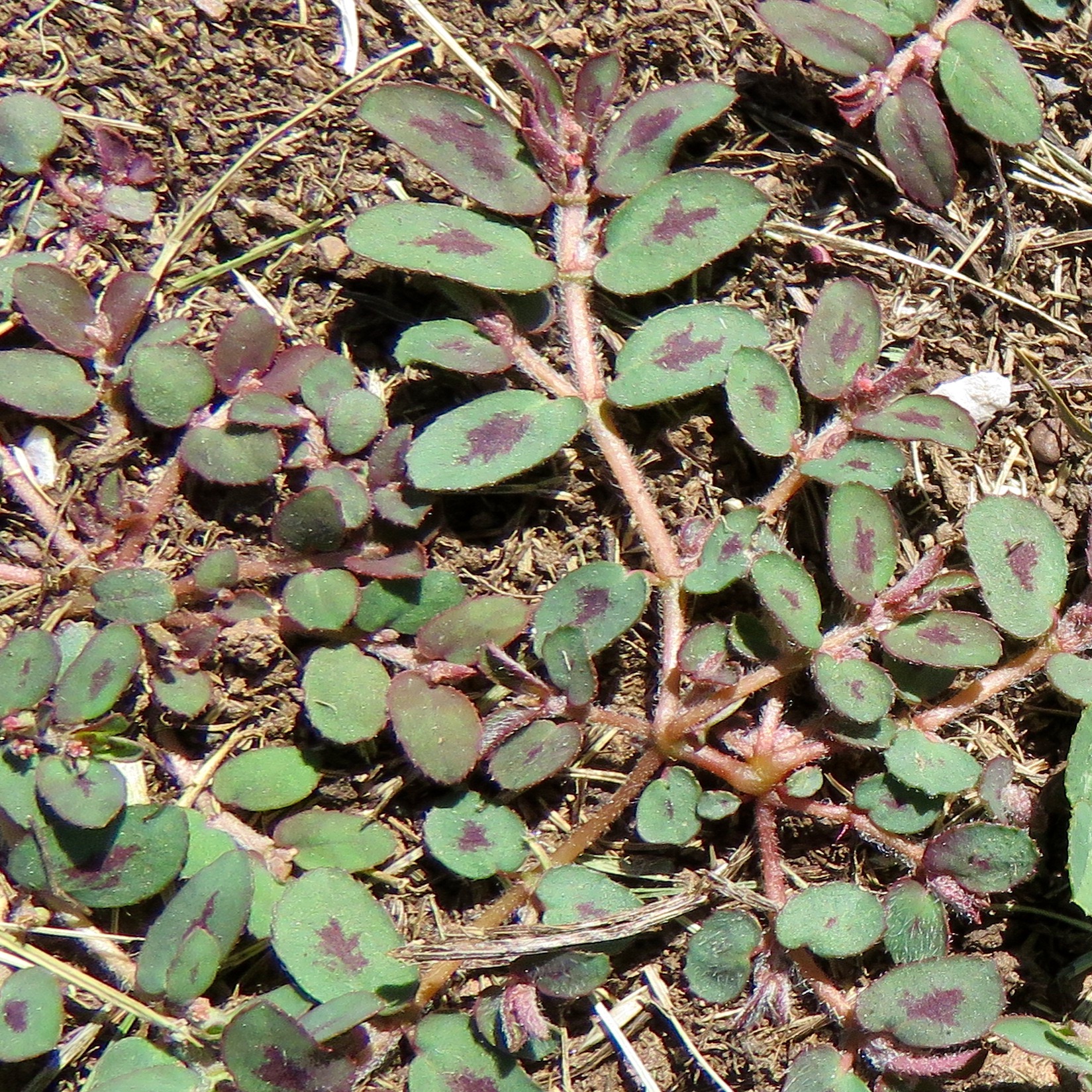 Spotted spurge is a low-growing annual weed that thrives during hot summer weather. It forms flat mats that spread outward from a central stem and often has a distinctive reddish-purple spot on each leaf.
This weed grows incredibly fast and produces thousands of seeds throughout the summer.
Why Spotted Spurge Appears
- Hot, dry weather
- Thin turf
- Bare soil
- Compacted areas
- Along sidewalks and driveways
Because spotted spurge grows close to the ground, it can often avoid mower blades and continue spreading unnoticed until large patches develop.
How to Reduce Spotted Spurge
Keeping your lawn thick and healthy limits the open soil where spotted spurge germinates. Avoid mowing too short, as taller grass helps shade the soil and discourages new weed growth.
Purslane
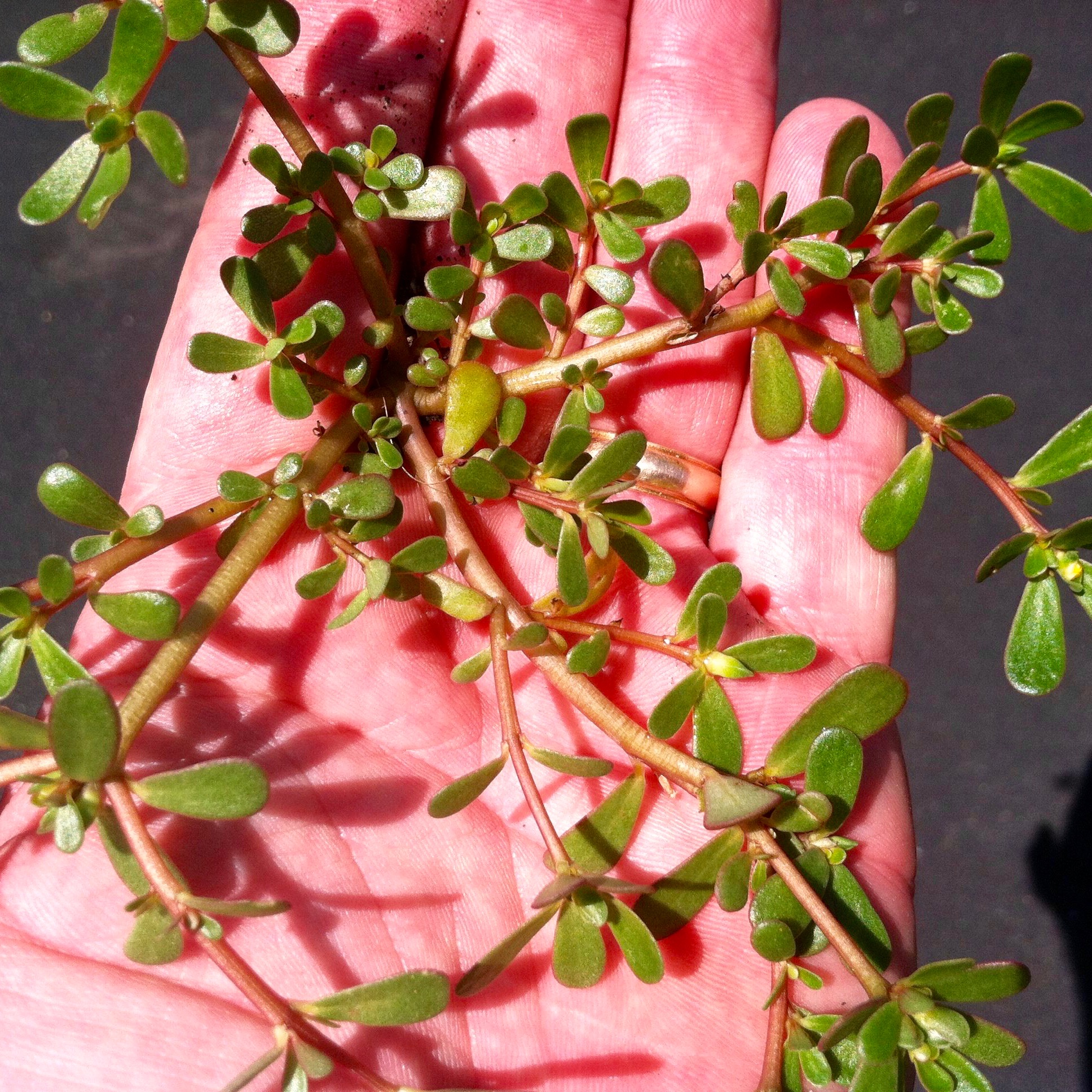 Purslane is another summer annual that loves heat and drought. It has thick, fleshy leaves and reddish stems that grow outward in a circular pattern close to the ground.
Unlike many weeds, purslane stores water in its leaves, making it extremely tolerant of dry conditions.
Why Purslane Appears
- Dry, sunny locations
- Thin or damaged turf
- Recently disturbed soil
- Areas under drought stress
Because of its succulent leaves, purslane can continue growing even when little rainfall occurs.
How to Reduce Purslane
Improving overall lawn density, watering deeply but infrequently, and maintaining proper mowing height all help reduce conditions that favor purslane.
The Best Defense Against Summer Lawn Weeds
While each weed has its own characteristics, they all take advantage of similar lawn conditions.
To minimize summer lawn weeds, focus on:
- Maintaining proper mowing height
- Watering deeply when needed
- Following a balanced fertilization program
- Addressing compacted soils when appropriate
- Encouraging thick, healthy turf that naturally crowds out weeds
Remember that weeds are often a symptom—not the root problem. Correcting the underlying health of your lawn provides longer-lasting results than simply removing individual weeds.
Professional Weed Control Makes a Difference
Many homeowners are surprised that weeds like clover, spotted spurge, and purslane can appear even in lawns that looked great earlier in the season. That’s because new weed seeds continue germinating throughout the summer as weather conditions change.
A comprehensive lawn care program doesn’t just eliminate existing weeds—it helps build stronger turf that naturally resists future infestations. Regular monitoring also allows new weeds to be treated before they become widespread.
Keep Your Lawn Looking Its Best All Summer
If you’re seeing clover, spotted spurge, purslane, or other summer lawn weeds popping up in your yard, don’t wait until they’ve spread across your lawn. Identifying weeds early and maintaining a healthy, dense turf are the best ways to keep your lawn looking its best throughout the growing season.
Whether your lawn needs targeted weed control, fertilization, or a complete lawn care program, our team is here to help you enjoy a greener, healthier lawn all season long.
Contact us today at 781-297-3674 to schedule your lawn evaluation and let us help you take control of summer lawn weeds before they take over. For additional lawn care reading, check out our blog!