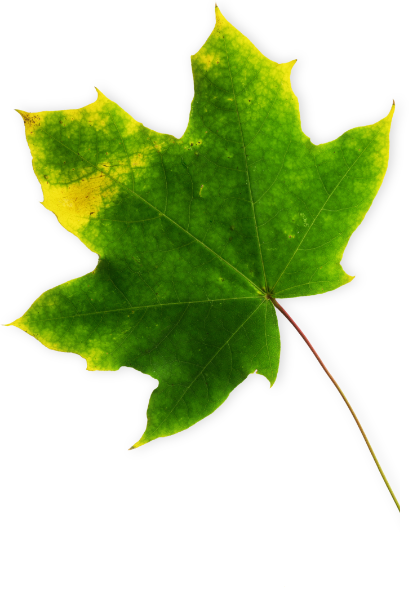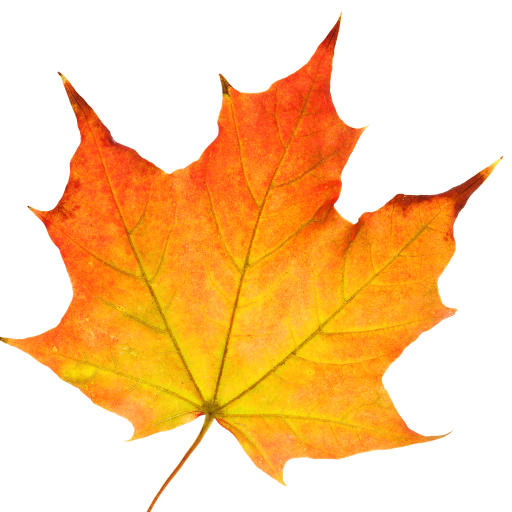
Massachusetts homeowners are no strangers to unpredictable weather, but this summer is shaping up differently. Heat and Drought Stress for Ornamental Trees & Shrubs in Massachusetts is becoming a growing concern as rainfall remains below normal in many areas and municipal water restrictions continue to expand.
While many trees and shrubs may still appear healthy today, prolonged heat combined with dry soil can quickly take its toll. Because woody plants often respond slowly to environmental stress, the damage you see later this summer—or even next spring—may actually begin during today’s dry conditions.
Understanding what to watch for and taking action early can help protect your investment and keep your landscape healthy through the remainder of the growing season.
Why Trees and Shrubs Are Under Stress
Unlike lawns, which often show drought stress within days, ornamental trees and shrubs can continue looking relatively normal while quietly using up their stored moisture reserves.
Several factors are working against landscapes this season:
- Limited rainfall across much of Massachusetts
- Extended periods of high temperatures
- Increased evaporation from soil
- Municipal watering restrictions limiting irrigation
- Competition from surrounding turfgrass for available moisture
Even established trees can struggle when dry conditions persist for weeks.
Which Trees and Shrubs Are Most Vulnerable?
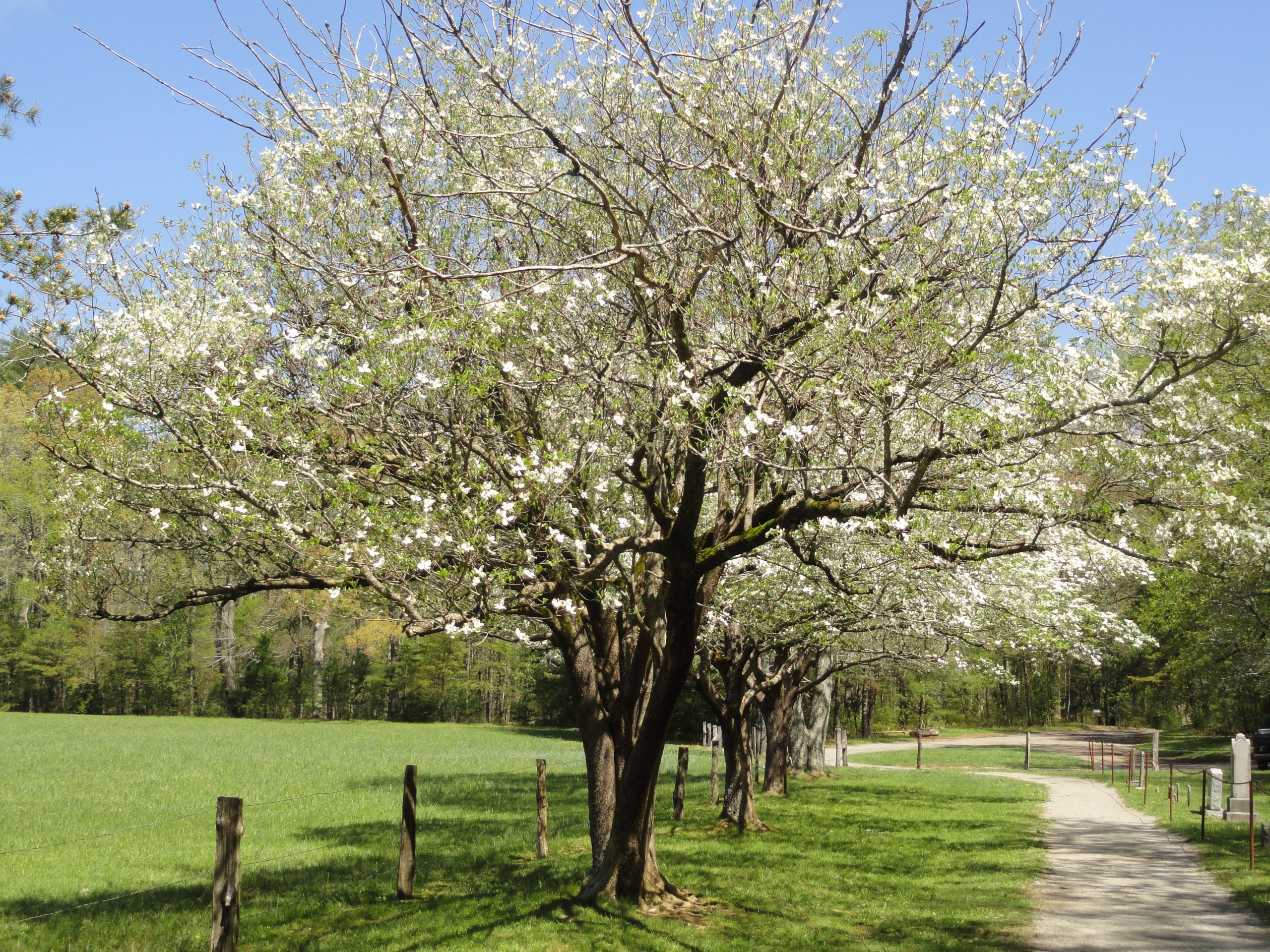 While any landscape plant can experience drought stress, certain species are especially susceptible.
Common ornamental trees that may struggle include:
- Japanese Maple
- Dogwood
- Magnolia
- Birch
- Flowering Cherry
- Newly planted shade trees
Shrubs at higher risk include:
- Hydrangeas
- Rhododendrons
- Azaleas
- Boxwoods
- Arborvitae
- Newly installed foundation plantings
Plants installed within the past two to three years are especially vulnerable because their root systems have not yet fully established.
Early Signs of Heat and Drought Stress
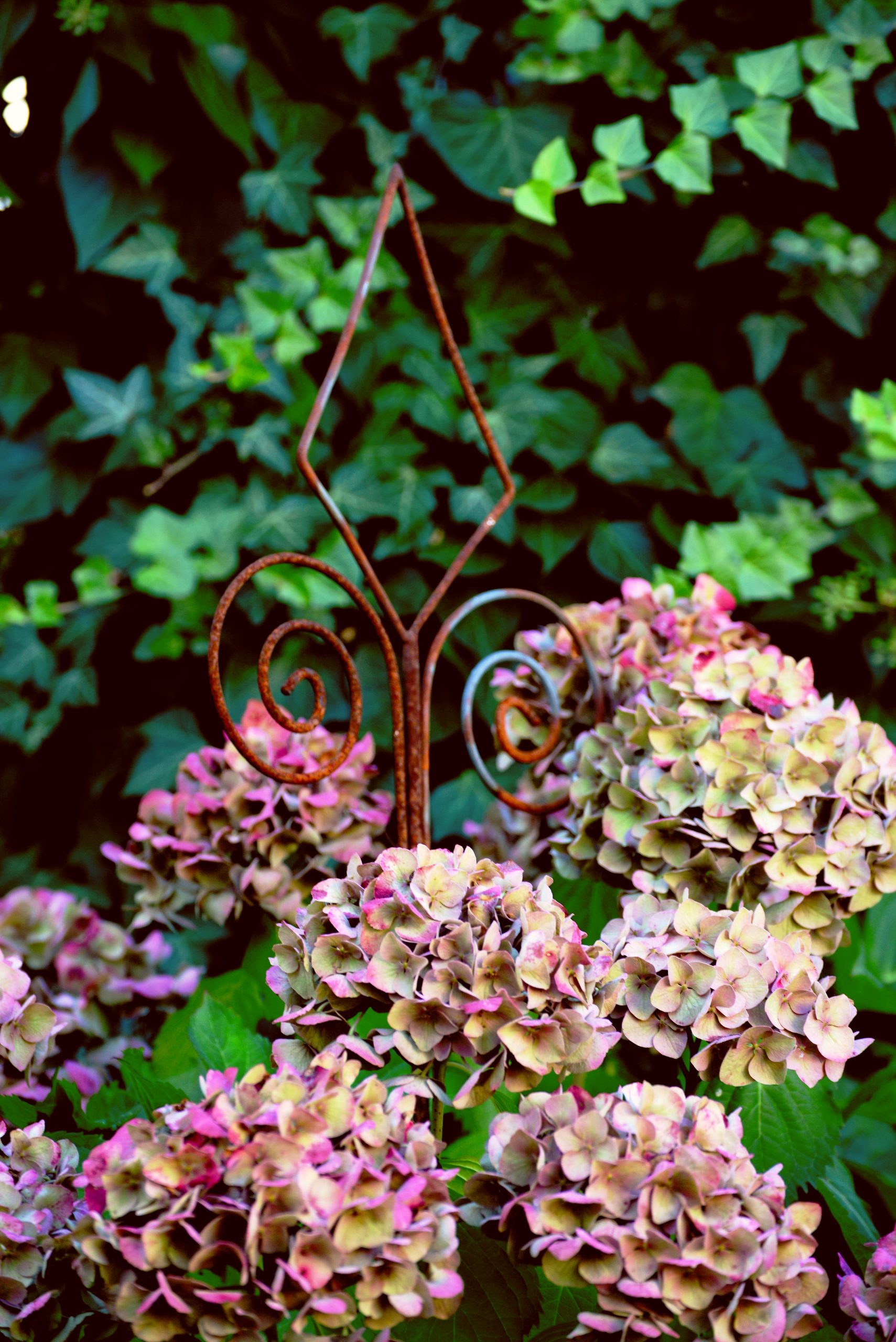 The challenge with Heat and Drought Stress for Ornamental Trees & Shrubs in Massachusetts is that symptoms often develop gradually.
Watch for:
- Leaves wilting during the day and failing to recover overnight
- Browning or crispy leaf edges
- Premature leaf drop
- Yellowing foliage
- Curling leaves
- Smaller-than-normal new growth
- Sparse canopy development
Evergreens may begin showing interior needle browning or overall thinning if stress continues.
Water Restrictions Make Smart Watering More Important
Many Massachusetts communities have implemented seasonal outdoor watering restrictions, making it more important than ever to water efficiently.
Rather than frequent shallow watering, focus on deep, infrequent watering that encourages roots to grow deeper into the soil.
Helpful watering practices include:
- Water early in the morning when evaporation is lowest.
- Apply water slowly so it soaks deep into the root zone.
- Prioritize younger trees and valuable specimen plants.
- Use mulch around trees and shrubs to conserve soil moisture.
- Avoid watering foliage whenever possible.
If your town limits irrigation to certain days or hours, make the most of those opportunities by watering deeply instead of lightly.
Why Mulch Matters
One of the simplest ways to reduce drought stress is proper mulching.
A 2-3 inch layer of organic mulch helps:
- Reduce soil evaporation
- Moderate soil temperatures
- Suppress weeds competing for moisture
- Improve soil health over time
Be sure to keep mulch pulled several inches away from the trunk or stems to prevent excess moisture and decay.
Don’t Wait Until Damage Is Visible
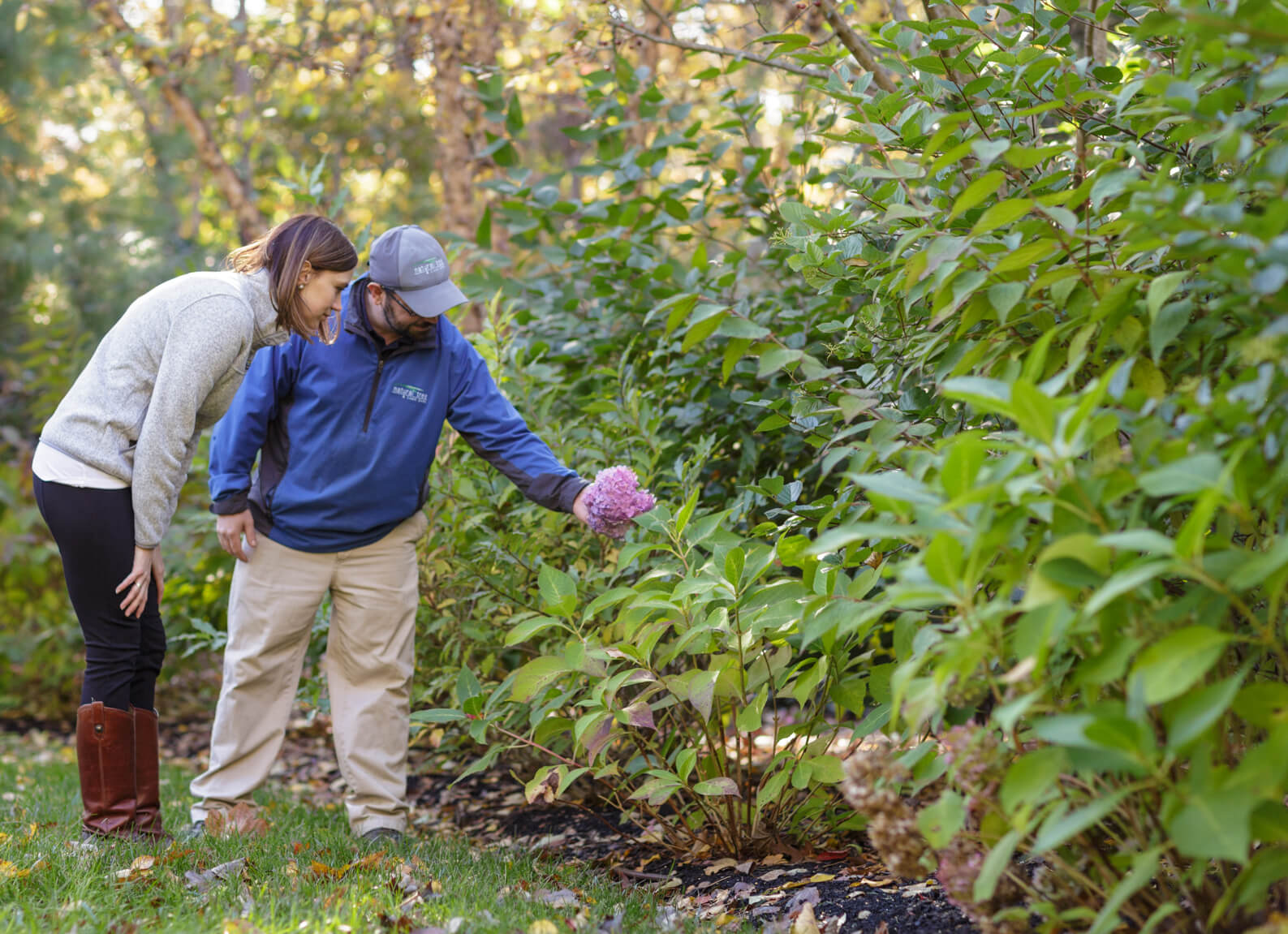 One of the biggest misconceptions is that trees only need attention once leaves begin turning brown.
Unfortunately, once severe symptoms appear, the plant has often been under stress for weeks. Extended drought can weaken trees, making them more susceptible to insect infestations, diseases, winter injury, and decline over the next several seasons.
Preventative care is almost always more effective than trying to reverse significant stress after it occurs.
Professional Tree & Shrub Care Can Help
Healthy soil, proper nutrition, and ongoing monitoring all play an important role in helping landscape plants withstand difficult weather.
Deep root fertilization, soil conditioning, and regular inspections can improve root development, enhance nutrient uptake, and help trees recover more quickly when rainfall returns.
Professional monitoring also allows potential problems to be identified before irreversible damage occurs.
Protect Your Landscape Before Stress Sets In
Although many trees and shrubs still appear healthy today, forecasts continue to suggest hot, dry conditions may persist. Taking action now can help reduce the effects of Heat and Drought Stress for Ornamental Trees & Shrubs in Massachusetts before visible damage develops.
If you’re concerned about the health of your landscape, the team at Natural Tree & Lawn Care can evaluate your trees and shrubs and recommend the best course of action to keep them healthy through the summer and beyond.
Call our team today at (781) 297-3674 to schedule a Tree & Shrub Health Care evaluation and help protect your landscape from heat and drought stress before lasting damage occurs. For additional tree-related topics, check out our blog!