
Over the last several years, the spotted lanternfly (Lycorma delicatula) has become one of the most talked-about invasive insects in the Northeast. Originally native to Asia, this destructive pest was first discovered in Pennsylvania in 2014 and has steadily expanded its range throughout the region.
Today, spotted lanternflies have been confirmed in parts of Massachusetts, creating concern for homeowners, property managers, vineyards, orchards, and anyone who values healthy trees and landscapes.
If you’ve heard about spotted lanternflies but aren’t sure what they are or why they’re causing concern, here’s what Massachusetts homeowners should know.
What Is a Spotted Lanternfly?
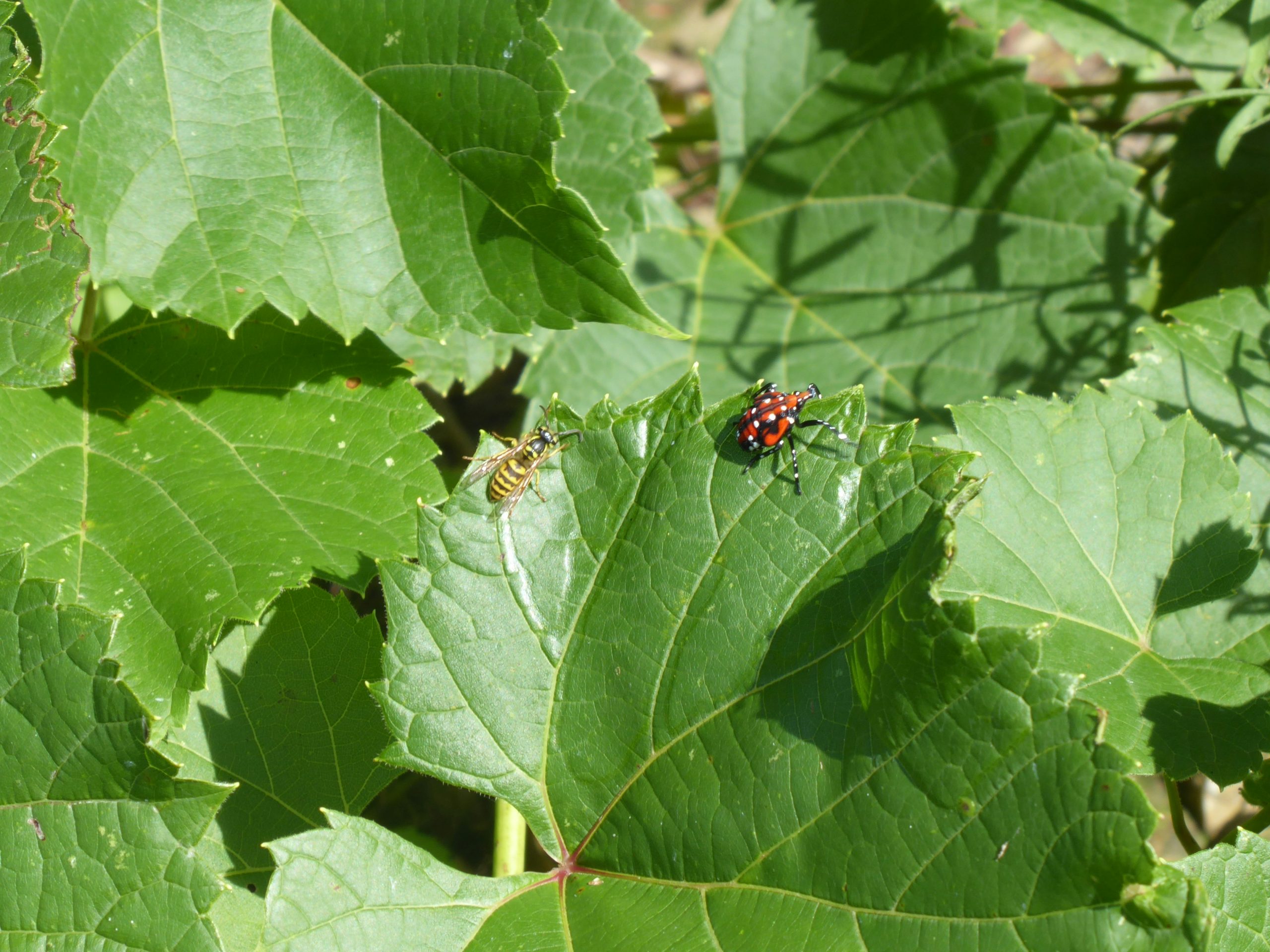 Despite its name, the spotted lanternfly is not actually a fly. It is a planthopper that feeds on the sap of many different plants and trees.
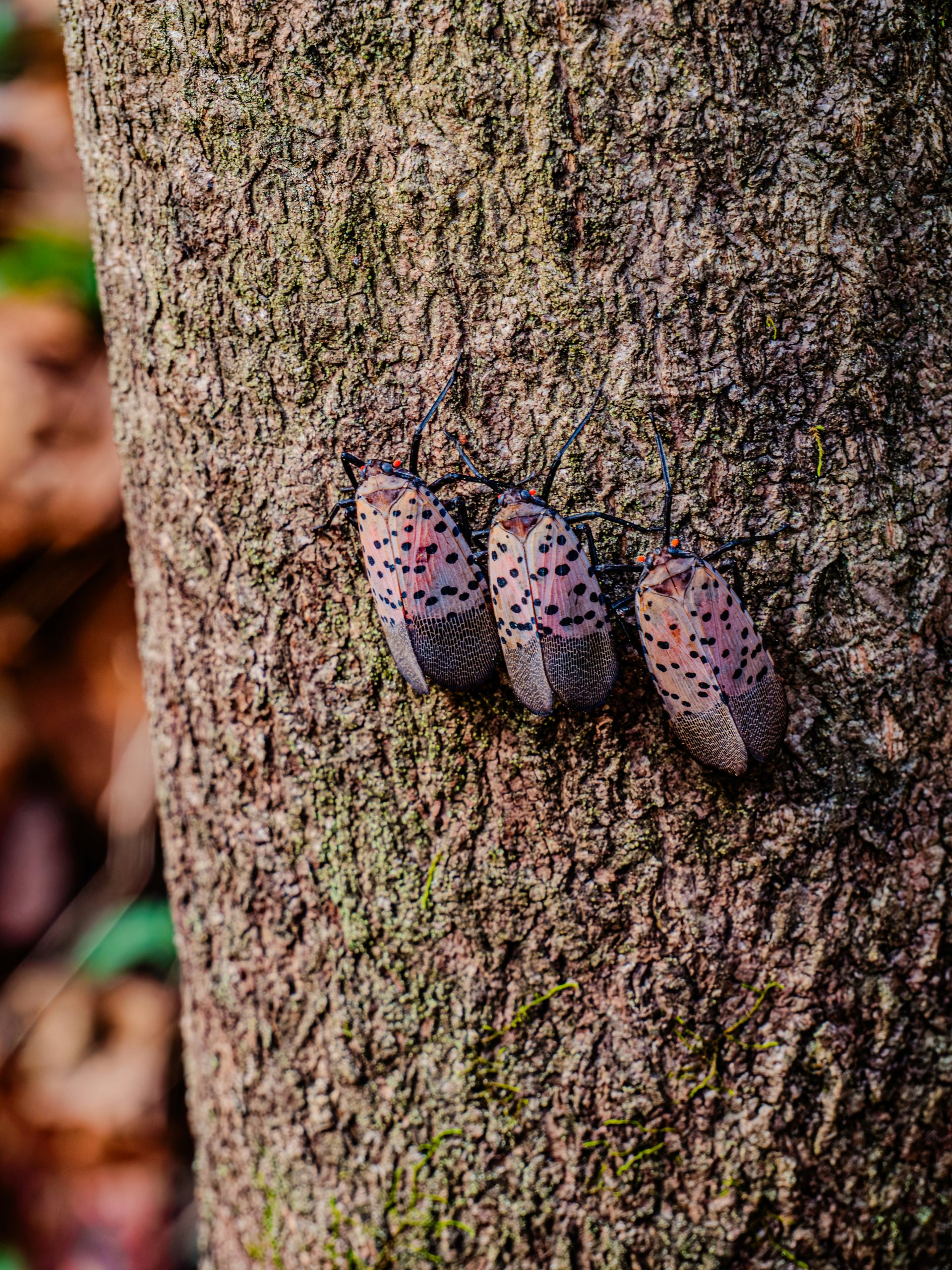
Adult spotted lanternflies are approximately one inch long and have distinctive gray wings covered in black spots. When their wings are open, bright red and black hindwings become visible, making them easy to identify.
The insect progresses through several life stages:
- Egg masses laid on trees, outdoor furniture, vehicles, and other surfaces
- Black nymphs with white spots during early development
- Red and black nymphs in later stages
- Winged adults appearing from mid-summer through fall
Because they can hitchhike on vehicles, trailers, firewood, and outdoor equipment, spotted lanternflies can spread rapidly into new areas.
Has the Spotted Lanternfly Been Found in Massachusetts?
Yes. The Massachusetts Department of Agricultural Resources (MDAR) has confirmed spotted lanternfly populations in several communities throughout the state. While infestations are currently more concentrated in certain regions, experts expect the insect to continue expanding its range across Massachusetts.
Homeowners throughout Eastern Massachusetts, Central Massachusetts, and surrounding service areas should remain alert for signs of this invasive pest.
Why Is the Spotted Lanternfly a Problem?
Unlike some pests that target only one type of plant, spotted lanternflies feed on more than 70 different species of trees, shrubs, and vines.
Some of their preferred hosts include:
- Tree-of-heaven
- Maple trees
- Birch trees
- Willow trees
- Grapevines
- Fruit trees
As they feed, spotted lanternflies use piercing mouthparts to remove sap from plants. Large populations can weaken trees and vines by reducing energy reserves needed for growth and health.
Another major issue is the sticky substance they leave behind, known as honeydew.
Honeydew can:
- Coat leaves, decks, patios, vehicles, and outdoor furniture
- Encourage the growth of black sooty mold
- Attract bees, wasps, and other nuisance insects
- Create a messy outdoor environment
While healthy mature trees may survive some feeding pressure, repeated infestations can stress plants and make them more vulnerable to environmental challenges.
How to Identify Spotted Lanternfly Egg Masses
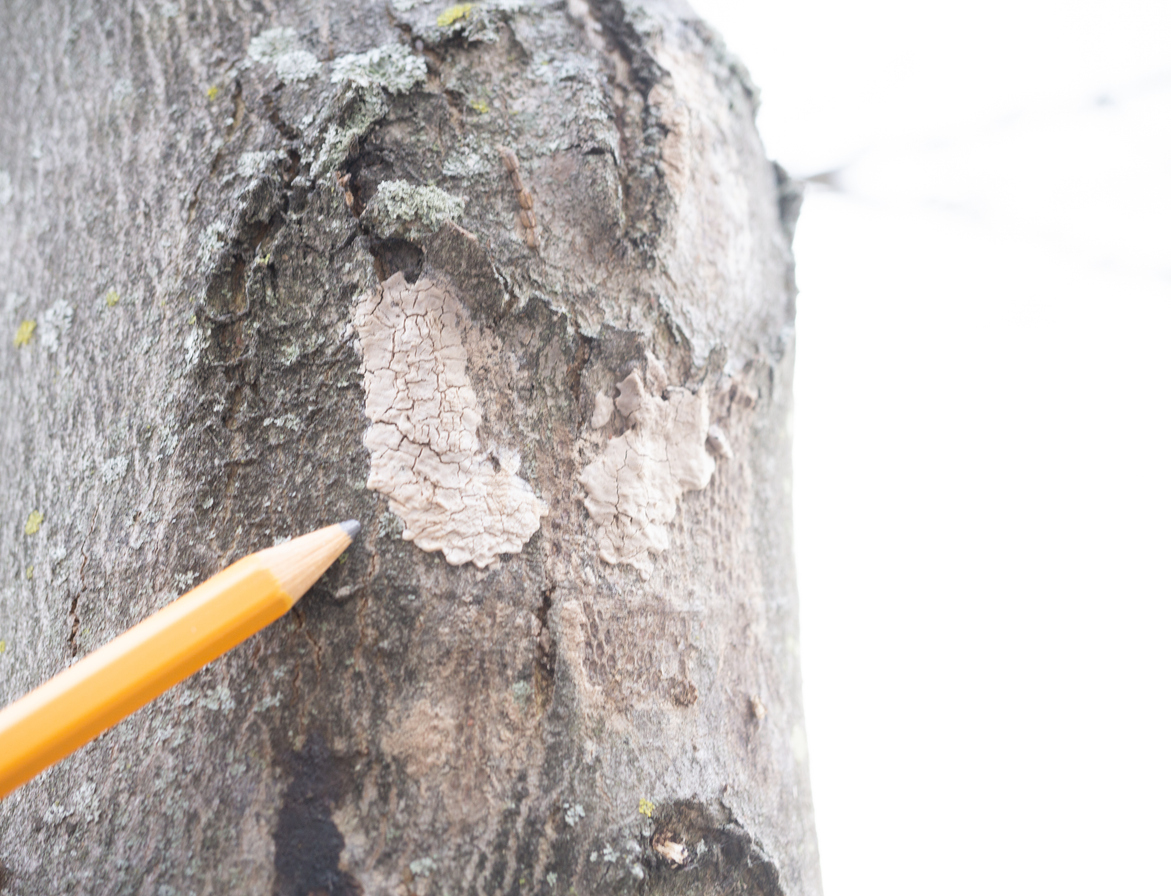 One reason spotted lanternflies spread so efficiently is that their egg masses are often overlooked.
Egg masses typically appear as:
- Gray or tan patches
- Mud-like or putty-like texture
- About one inch long
- Found on tree trunks, rocks, outdoor equipment, fences, firewood, and vehicles
Egg masses are often laid during the fall and remain through winter until hatching in spring. Finding and removing egg masses can significantly reduce future populations.
What Should Homeowners Do If They Find One?
If you believe you’ve found a spotted lanternfly on your property, proper identification is important.
Homeowners should:
- Take a clear photograph.
- Record the location.
- Report sightings when appropriate through state resources.
- Remove or destroy individual insects when practical.
- Inspect outdoor items before transporting them to another location.
Because this insect spreads by hitchhiking, preventing accidental transportation is one of the most effective ways to slow its expansion.
Can Spotted Lanternflies Damage Landscape Trees?
 Yes, especially when populations become large. While a single spotted lanternfly is unlikely to cause noticeable damage, heavy infestations can stress valuable ornamental trees and landscape plants over time.
Symptoms may include:
- Reduced vigor
- Oozing sap
- Increased honeydew accumulation
- Sooty mold growth
- Declining overall appearance
Properties with numerous susceptible host plants may experience greater pressure as populations continue to establish themselves in Massachusetts.
Frequently Asked Questions About Spotted Lanternflies
Are spotted lanternflies dangerous to people? No. Spotted lanternflies do not bite, sting, or directly harm people or pets.
Do spotted lanternflies kill trees? Large infestations can weaken trees and vines over time, particularly when combined with other environmental stresses.
What plants do spotted lanternflies prefer? Their favorite host is tree-of-heaven, but they also feed on maples, birches, willows, fruit trees, grapevines, and many ornamental plants.
Are spotted lanternflies spreading in Massachusetts? Yes. Confirmed populations continue to expand throughout portions of the state, making awareness and monitoring increasingly important.
Protecting Your Massachusetts Landscape
As spotted lanternflies continue to spread throughout Massachusetts, homeowners should stay informed and regularly inspect their trees and landscape plants for signs of activity.
Early detection can help limit populations and reduce stress on valuable landscape trees. Monitoring invasive pests is an important part of maintaining healthy outdoor spaces and protecting the long-term health of your property.
If you’re concerned about the health of your trees and landscape plants, Natural Tree & Lawn Care can help evaluate your property and identify potential pest concerns.
Call our team today at (781) 297-3674 to schedule an evaluation and learn more about protecting your landscape investment.