If you’re searching for Magnolia Scale Treatments, you’re likely noticing sticky leaves, black sooty mold, or increased insect activity around your magnolia tree. Magnolia trees are among the most beautiful ornamental trees found throughout Massachusetts landscapes, but they are susceptible to Magnolia Scale, a damaging pest that feeds on sap and can compromise tree health over time.
Understanding what Magnolia Scale is, how it affects your trees, and when treatment is most effective can help protect the health and beauty of your landscape.
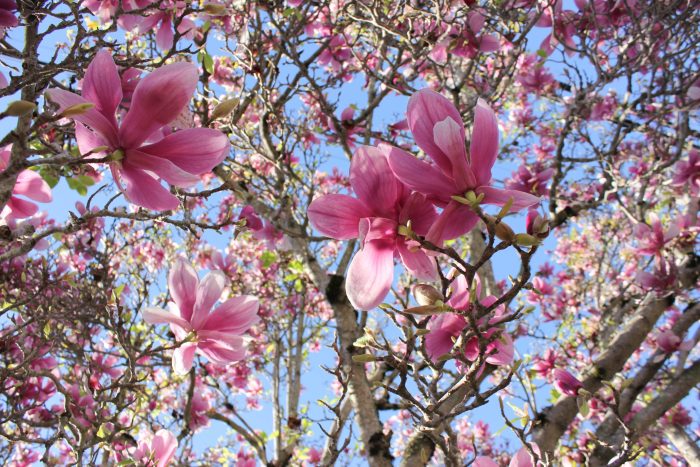 What Is Magnolia Scale?
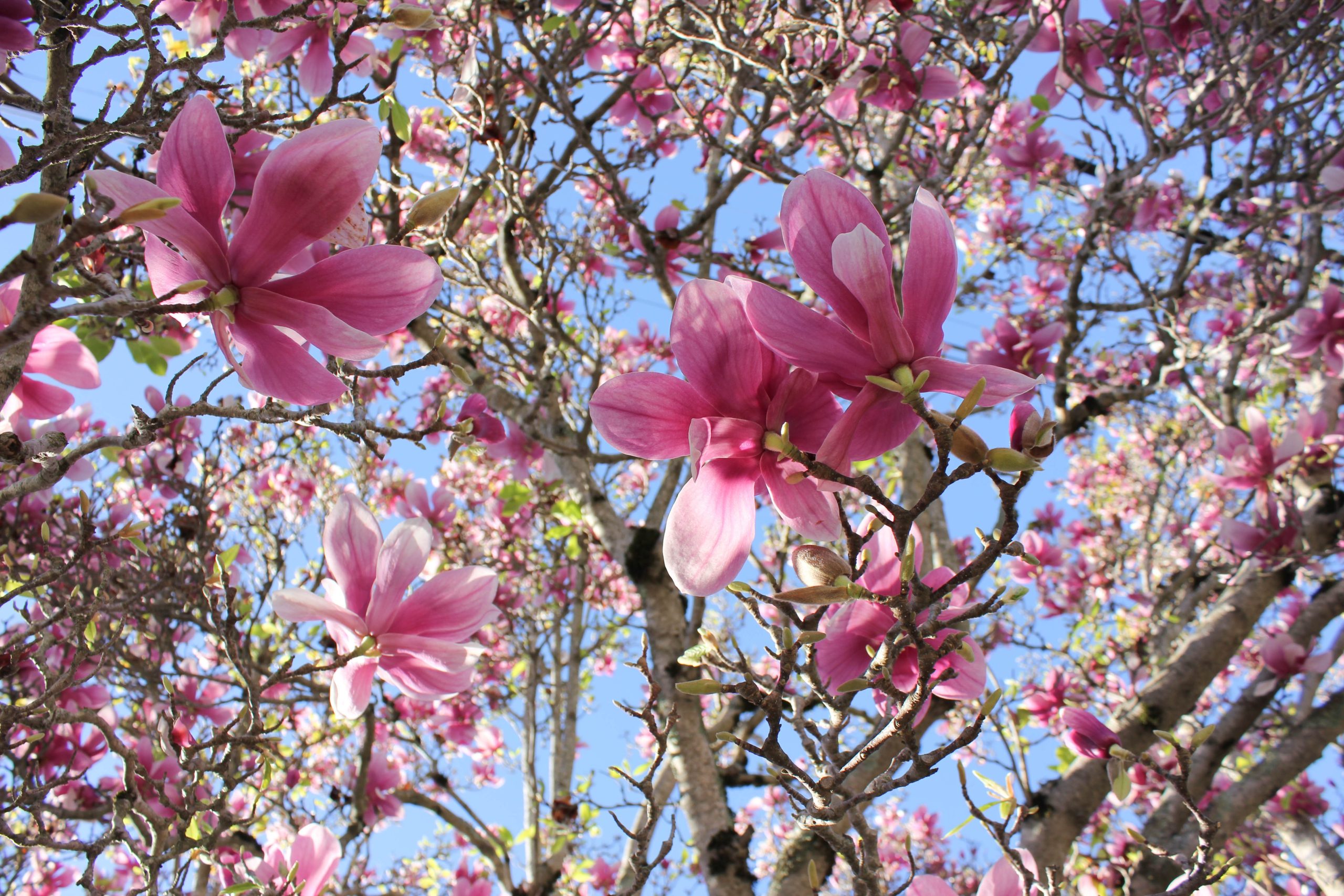
Magnolia Scale (Neolecanium cornuparvum) is one of the largest scale insects found in North America. These soft-bodied insects feed on the sap within magnolia trees, weakening the tree over time and creating conditions that can lead to further stress and decline.
Magnolia Scale primarily affects:
- Saucer Magnolia
- Star Magnolia
- Lily Magnolia
- Cucumber Magnolia
- Other ornamental magnolia varieties
The insect is especially common throughout New England, including Massachusetts, where mature magnolia trees are a popular landscape feature.
What Does Magnolia Scale Look Like?
 Magnolia Scale can be surprisingly difficult to identify at first because the insects resemble natural bumps or growths on branches.
Adult females typically appear:
- Oval-shaped
- Smooth and waxy
- Tan, brown, or pinkish-orange in color
- Approximately ½ inch in diameter
They are most often found attached to small twigs and branches rather than on the leaves. Because they blend into the bark, many homeowners don’t realize they have an infestation until secondary symptoms appear.
Common Signs of Magnolia Scale
One of the most noticeable signs of Magnolia Scale is the production of honeydew.
As the insects feed on plant sap, they excrete a sugary substance called honeydew that coats leaves, branches, sidewalks, patios, vehicles, and outdoor furniture beneath the tree.
Common symptoms include:
Sticky Residue on Leaves and Surfaces
Leaves may feel sticky or appear shiny. Homeowners often notice dripping sap-like material beneath the tree during summer.
Black Sooty Mold
The honeydew provides an ideal growing environment for sooty mold fungi. This black coating can cover leaves and branches, reducing photosynthesis and detracting from the tree’s appearance.
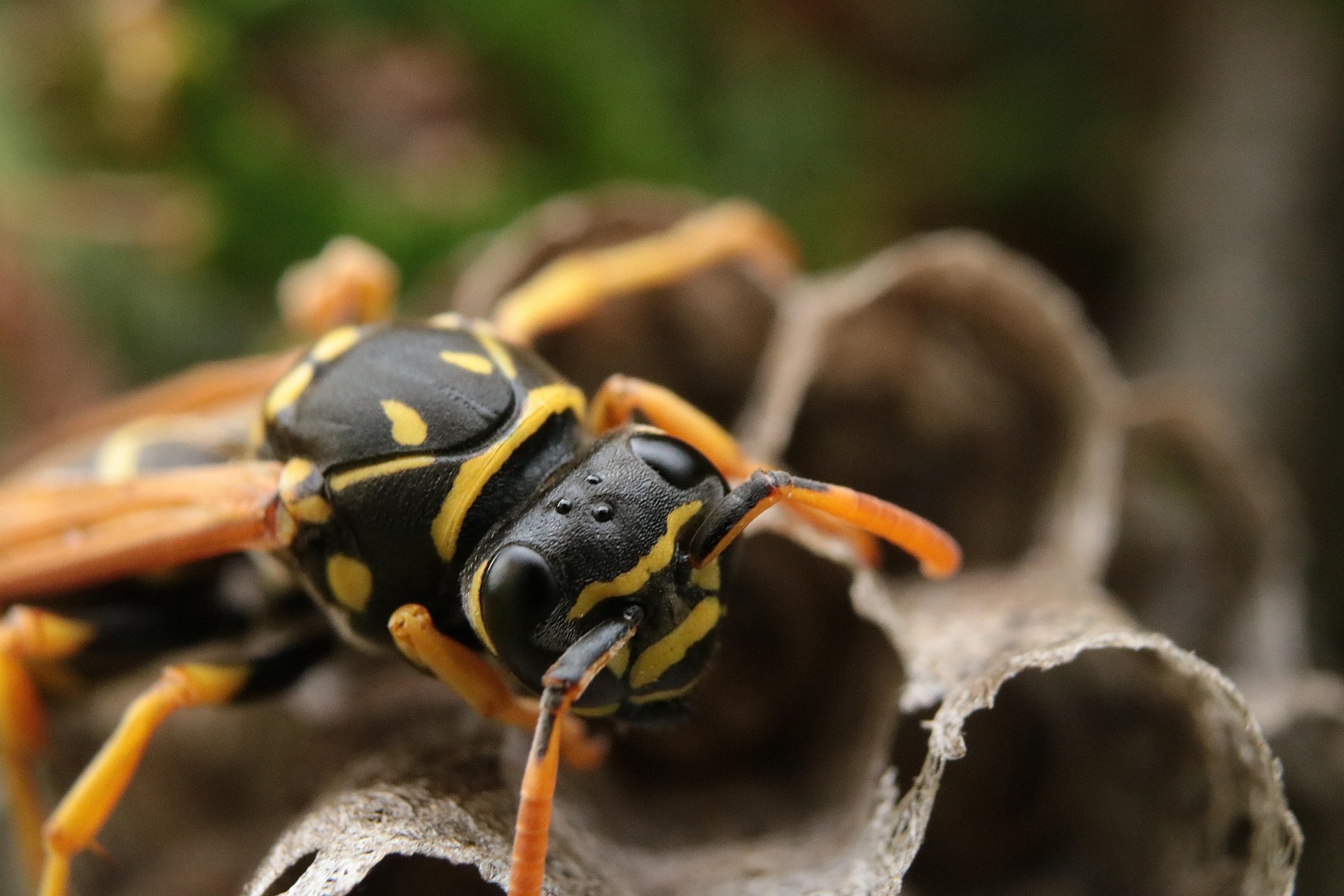 Increased Wasp and Bee Activity
Honeydew attracts many insects, including:
- Wasps
- Yellow jackets
- Ants
- Bees
Large numbers of these insects around a magnolia tree often indicate an active scale infestation.
Branch Dieback and Reduced Growth
As Magnolia Scale populations increase, they remove significant amounts of sap from the tree. Over time, this can lead to:
- Reduced vigor
- Smaller leaves
- Thinning canopies
- Branch dieback
- Increased susceptibility to drought and disease
When Is Magnolia Scale Most Active in Massachusetts?
Understanding the Magnolia Scale life cycle is critical for successful treatment. Adult females become highly visible during the summer months. By late summer, they produce eggs beneath their bodies. The eggs hatch into immature insects called crawlers, typically during late August through September in Massachusetts.
The crawler stage is the most vulnerable period in the insect’s life cycle and often provides the best opportunity for effective control. Because timing is important, professional monitoring can help ensure treatments are applied when they will provide the greatest benefit.
Can Magnolia Scale Kill a Tree?
In many cases, healthy mature trees can tolerate light infestations for several years. However, severe or repeated infestations can significantly weaken a magnolia tree.
While Magnolia Scale may not immediately kill a tree, long-term feeding can contribute to:
- Chronic stress
- Declining health
- Increased vulnerability to environmental stressors
- Greater susceptibility to secondary pests and diseases
Young trees and already-stressed trees are particularly at risk.
What are helpful Magnolia Scale Treatments?
Effective Magnolia Scale management often involves a combination of monitoring, timing, and targeted treatments. Depending on the severity of the infestation, treatment options may include:
Horticultural Oils: Dormant and summer horticultural oils can help suppress scale populations by smothering exposed insects.
Targeted Insect Treatments: Professional applications are often timed around the crawler stage when the insects are most susceptible.
Tree Health Care Practices: Maintaining overall tree health through proper watering, fertilization, and stress reduction can improve a tree’s ability to recover from pest pressure.
Because scale insects spend much of their lives protected by a waxy coating, treatment timing is often more important than the product itself.
Frequently Asked Questions About Magnolia Scale
Is Magnolia Scale harmful to people?
No. Magnolia Scale does not bite or sting people. However, the honeydew it produces can attract stinging insects such as yellow jackets and wasps.
Why is my magnolia tree covered in black mold?
The black coating is likely sooty mold growing on honeydew produced by Magnolia Scale insects.
Can I treat Magnolia Scale myself?
Some homeowners attempt treatment with horticultural oils, but proper identification and timing are critical for successful control.
When should Magnolia Scale be treated in Massachusetts?
Late summer and early fall, when crawler activity occurs, are often the most effective treatment periods. Professional inspections can determine the ideal timing.
Protect Your Magnolia Trees with Professional Care
Magnolia trees are valuable landscape assets that deserve proactive protection. If you’ve noticed sticky leaves, black sooty mold, unusual insect activity, or declining branches, Magnolia Scale may be the cause.
At Natural Tree & Lawn Care, our tree care specialists can identify Magnolia Scale infestations and recommend treatment solutions tailored to your landscape. Early intervention can help preserve the health, beauty, and longevity of your magnolia trees.
Schedule a tree inspection today by calling (781) 297-3674 and let our team help protect your Massachusetts landscape from Magnolia Scale and other damaging tree pests.