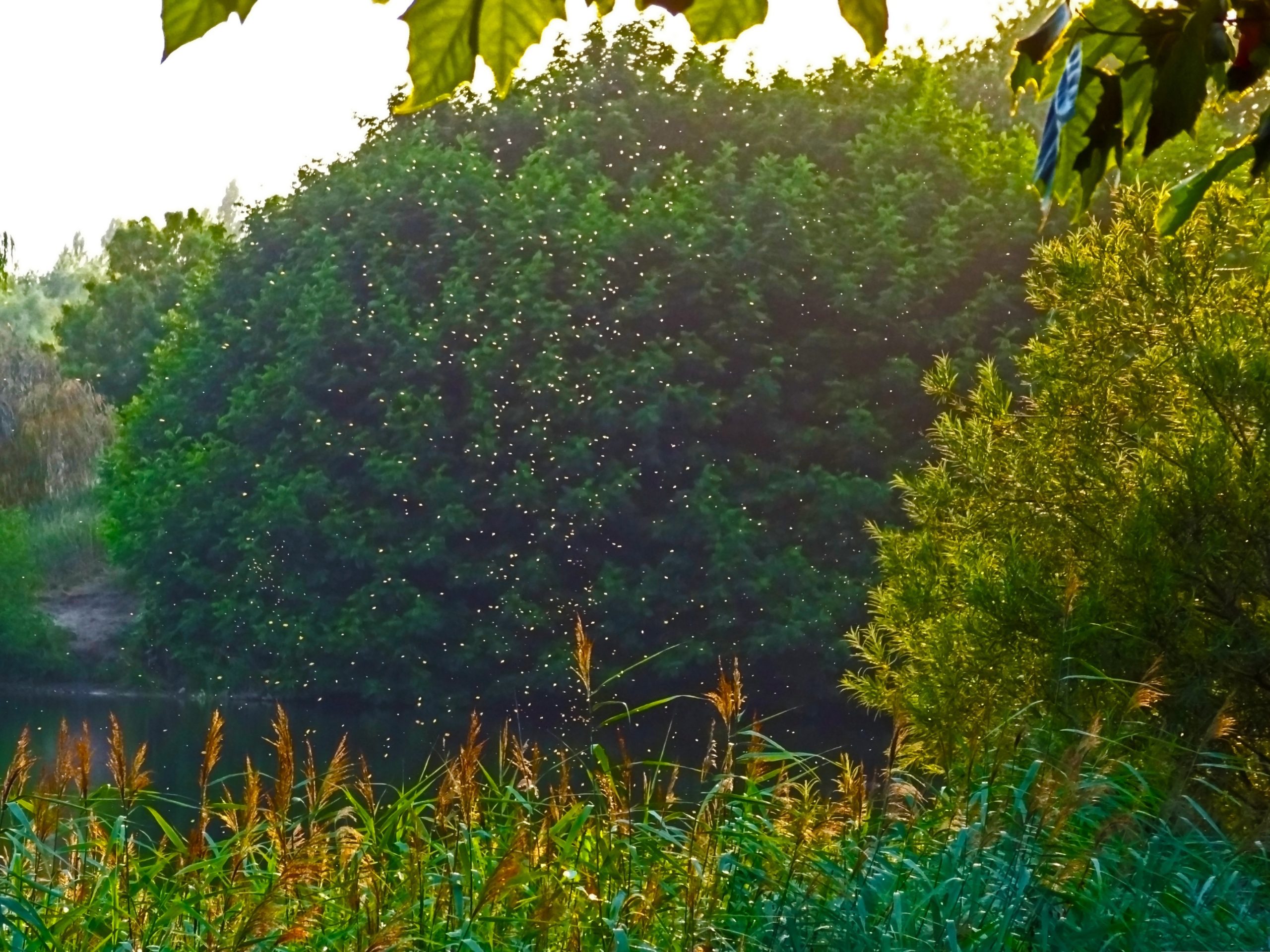
 As temperatures rise across Massachusetts and homeowners spend more time outdoors, many are beginning to notice a familiar nuisance returning to their yards: mosquitoes. After a stretch of rain last week followed by a beautiful, warm weekend, conditions are lining up perfectly for mosquito populations to increase rapidly.
Even if your yard looks dry today, mosquito activity often spikes several days after rainfall. Understanding why this happens—and what you can do about it—can help protect your family, pets, and outdoor enjoyment throughout the season.
Why Rain Followed by Warm Weather Creates Mosquito Problems
Mosquitoes rely on standing water to reproduce. After rainfall, even small amounts of water collected around your property can become breeding sites. Once temperatures warm up, mosquito larvae develop quickly, leading to a noticeable increase in activity.
In Massachusetts, spring weather patterns often create the ideal combination:
- Rainfall providing breeding water
- Mild overnight temperatures
- Increasing humidity
- Warm sunny days accelerating mosquito development
This is why homeowners often notice mosquitoes appearing suddenly after a nice stretch of weather.
It Doesn’t Take Much Water
One of the biggest misconceptions about mosquitoes is that they only breed in ponds or marshes. In reality, mosquitoes can reproduce in extremely small amounts of water.
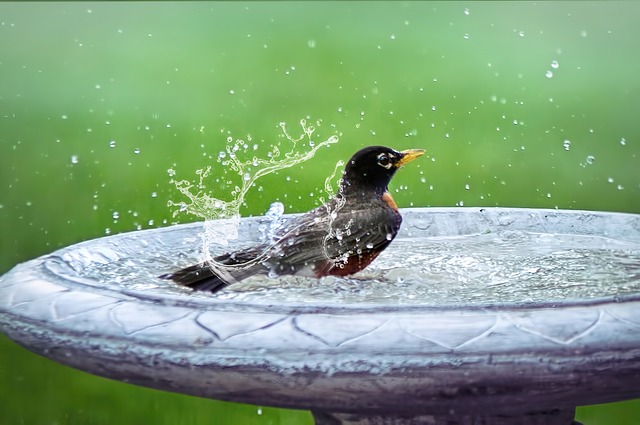 Common mosquito breeding areas around Massachusetts homes include:
- Clogged gutters
- Plant saucers
- Kids’ toys
- Tarps and covers
- Bird baths
- Low spots in the lawn
- Buckets and wheelbarrows
- Unused flowerpots
- Outdoor furniture covers
Some mosquito species only need a bottle cap’s worth of water to lay eggs.
Why Mosquitoes Are More Than Just Annoying
Mosquitoes are not only frustrating during outdoor activities—they can also carry diseases that impact both people and pets.
In Massachusetts, mosquito populations are monitored each year for illnesses such as:
- West Nile Virus (WNV)
- Eastern Equine Encephalitis (EEE)
While not every mosquito carries disease, reducing populations around your property helps lower exposure risks and makes your outdoor spaces far more enjoyable.
Why DIY Efforts Only Go So Far
Dumping standing water around your property is an important first step, but it rarely solves the problem completely.
Mosquitoes can travel from neighboring yards, wooded areas, drainage zones, and wetlands nearby. They also spend much of the day resting in shaded landscape areas, shrubs, tall grass, and under decks.
Store-bought sprays often provide only temporary relief and usually do not target the areas where mosquitoes rest and reproduce.
Professional Mosquito Control Creates a Barrier Around Your Yard
Professional mosquito control treatments are designed to target both active mosquito populations and the shaded resting areas they rely on throughout the day.
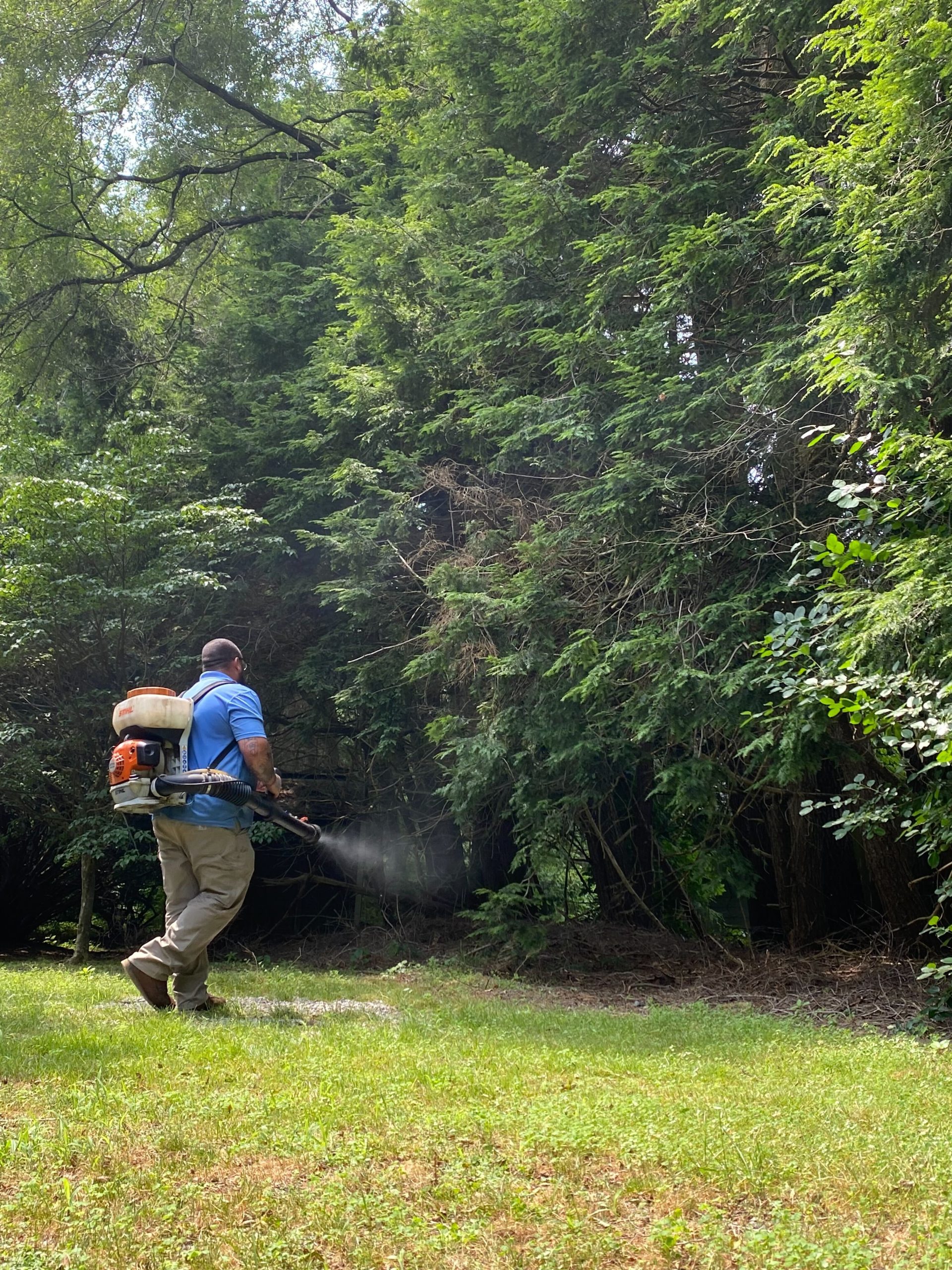 At Natural Tree & Lawn, our mosquito control program helps reduce mosquito populations around your property so you can spend more time outside comfortably this season.
Our treatments focus on:
- Shrubs and landscape beds
- Shaded resting areas
- Property edges
- Moisture-prone zones
- Areas where mosquitoes commonly hide and feed
Routine treatments throughout the season help provide continued protection during peak mosquito activity.
Now Is the Time to Get Ahead of Mosquito Season
Mosquito populations in Massachusetts are just beginning to ramp up. Taking action now can help prevent populations from exploding later in the summer when heat and humidity peak.
If you’ve started noticing mosquitoes after last week’s rain and this past weekend’s warm weather, you’re not alone. Conditions are becoming ideal for increased mosquito activity across the region.
Ready to Enjoy Your Yard Again?
Contact our team today at 781-297-3674 to learn more about our mosquito control program and how we can help you enjoy a more comfortable outdoor space this season.