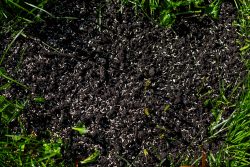
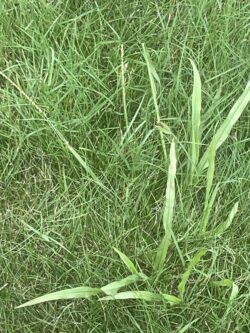
When the snow melts and lawns begin waking up across Massachusetts and New England, homeowners often notice unusual damage in their turf. Winding tunnels, raised ridges, chewed grass, and thinning patches can suddenly appear where the lawn once looked healthy. Many people assume the same pest is responsible—but the truth is that moles, voles, and… View Article
Updated: 3/29/2023 There is a new disease killing beech trees in our area called beech leaf disease (BLD). Unlike most diseases of trees that are caused by a fungus. BLD is caused by a foliar feeding nematode Litylenchus crenatae mccannii. Both European beech (Fagus sylvatica) and American beeches (Fagus grandifolia) may be affected. The disease… View Article
Maintaining a lush and healthy lawn is an essential part of enhancing the beauty and value of your property. Regular lawn fertilization is a crucial component of lawn care, as it supplies your grass with the essential nutrients it needs to thrive. However, many homeowners often wonder why lawn fertilization programs can vary significantly in… View Article
Spring is right around the corner. Living in New England, and it being March, you are probably ready for the longer days of sunshine and warmth. You may even already be thinking about your gardening plans, which weekend will be best for spring clean up, and prepping your outdoor equipment. You might also be asking… View Article
Each year, our lawns and landscapes face unique challenges. This year-in-review blog captures the biggest obstacles we dealt with here in Massachusetts. Drought Drought was a significant feature in the landscape this year. From roughly May through September, we saw significantly less rain than we typically do in that time frame. Most of the growing… View Article
Ticks & Mosquitoes Positive West Nile Virus (WNV) mosquito samples were identified in Barnstable, Berkshire, Bristol, Essex, Franklin, Hampden, Hampshire, Middlesex, Norfolk, Plymouth, Suffolk, and Worcester Counties. During the course of this year 7 human cases of WNV were detected in in Bristol, Essex, and Middlesex Counties, according to the MA Department of Public Health…. View Article
Japanese knotweed, (Fallopia japonica syn. Polygonum cuspidatum) is an invasive herbaceous perennial weed introduced from East Asia in the late 1800s as an ornamental and to stabilize streambanks. This has partially aided in dispersal of the plant along streams as seed and other plant parts can be carried downstream and establish new populations. Where does… View Article
The 2025 season brought another year of dramatic swings in weather, pest pressures, and plant health challenges across Massachusetts. From early spring leaf-out and erratic rainfall to the rapid rise ...
When the cold sets in and the ground freezes, most homeowners start to wonder what’s really happening to their grass until spring. Is it “sleeping”? Is it damaged? Should you ...
As the colorful leaves fall and trees enter dormancy, November presents a great opportunity for homeowners across New England to inspect their landscapes and perform some light, strategic pruning. However, ...
As the seasons change, it’s easy to assume that evergreens—those steadfast trees that stay green year-round—never shed their needles. But if you’ve noticed a layer of brown needles beneath your ...
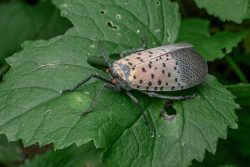
Updated: September 2025 The spotted lanternfly (Lycorma delicatula) is an invasive planthopper native to China, India, and Vietnam. First detected in the U.S. in Pennsylvania in September 2014, it ...
Aeration and overseeding are two of the best services you can provide to rejuvenate your lawn. Once the process is complete, proper care is essential to ensure your new grass ...