As spring settles into Massachusetts, many homeowners start asking the same question: “When should I turn on my irrigation system?”
The answer isn’t tied to a single date on the calendar—it depends on soil temperature, weather patterns, and how your lawn is waking up after winter. Turning your system on too early can waste water and even damage your lawn, while turning it on too late can stress new growth just as the season begins.
Here’s how to time it right in the Massachusetts growing zone.
Understanding Massachusetts Spring Conditions
Massachusetts sits in a cool-season turf region, meaning lawns are primarily made up of grasses like Kentucky bluegrass, perennial ryegrass, and fine fescue. These grasses begin actively growing when:
- Soil temperatures reach about 50–55°F
- Daytime air temperatures consistently climb into the 60s
- The ground has fully thawed and is no longer saturated from snowmelt
In most parts of Massachusetts, this typically occurs between mid-April and May, though coastal areas and higher elevations may vary slightly.
Why You Shouldn’t Turn Irrigation On Too Early

It’s tempting to flip the system on during the first warm stretch, but early spring often provides plenty of natural moisture. Snowmelt and seasonal rain usually supply enough water for your lawn’s initial growth.
Turning on irrigation too early can:
- Oversaturate soil that’s already wet
- Encourage shallow root growth
- Increase the risk of fungal diseases
- Waste water and increase utility costs
Your lawn doesn’t need consistent irrigation until it begins actively growing and drying out between rain events.
Signs It’s Time to Turn On Your Irrigation
Instead of relying on the calendar, look for these indicators:
- The Lawn Is Actively Growing
If you’re mowing regularly and seeing steady top growth, your lawn is using more water and may benefit from supplemental irrigation.
- Soil Is No Longer Saturated
Walk across your lawn. If it feels firm underfoot instead of soft or spongy, the ground has likely dried out enough.
- Rainfall Becomes Less Consistent
Spring rains can be unpredictable. If you’re going several days without measurable rainfall, it may be time to assist with irrigation.
- Grass Shows Early Signs of Stress
Look for:
- Slight dulling of green color
- Footprints that linger after walking
- Grass blades beginning to fold or wilt
These are early indicators your lawn is ready for additional water.
Best Timing for Massachusetts Homeowners
For most homeowners across Massachusetts, irrigation systems are typically turned on:
Late April through May. However, the exact timing can shift based on the season. A cooler, wetter spring may delay the need, while an early warm-up can move things up slightly.
How Much Water Does Your Lawn Need?
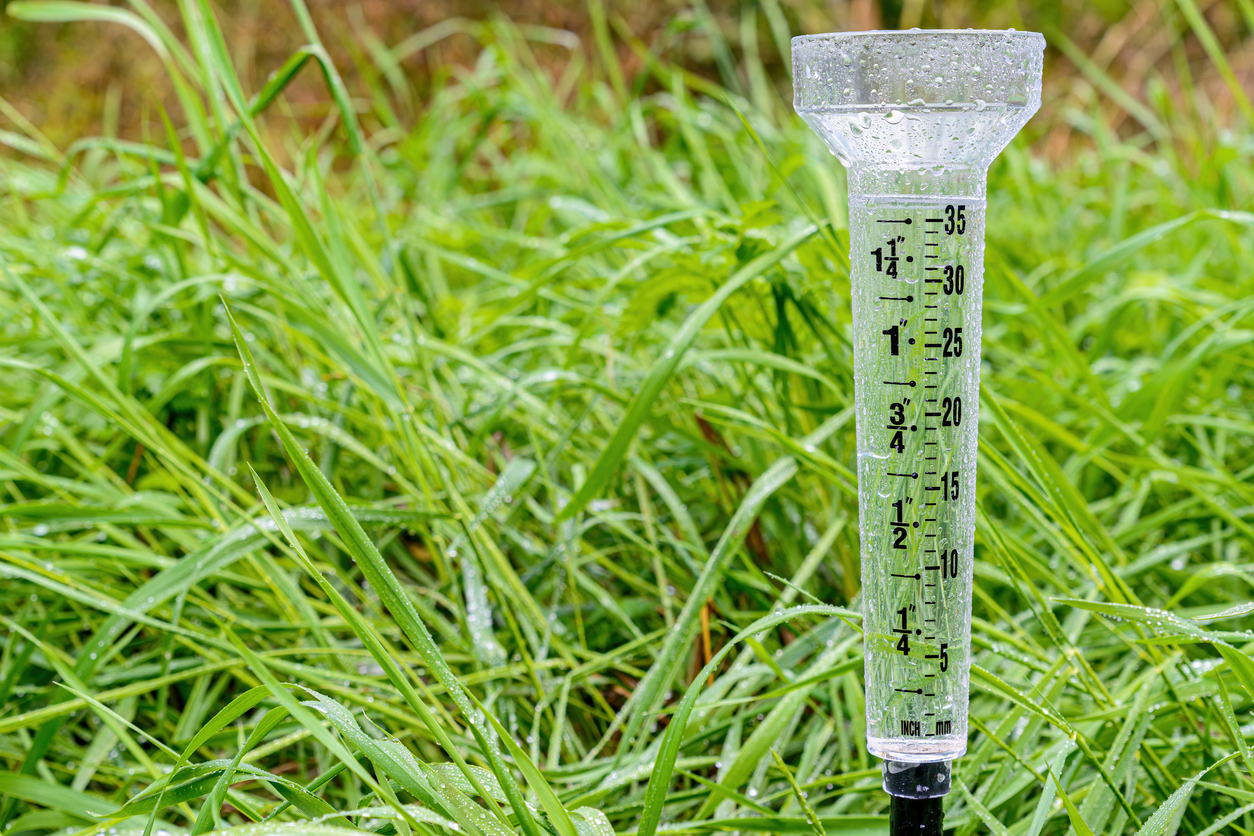
Once your irrigation system is running, the goal is to provide about 1 to 1.5 inches of water per week, including rainfall.
Rather than watering daily, focus on:
- Deep, infrequent watering (2–3 times per week)
- Watering early in the morning to reduce evaporation
- Allowing soil to dry slightly between cycles to encourage deeper root growth
This approach helps build a stronger, more drought-tolerant lawn heading into summer.
Don’t Forget About System Start-Up
Before turning your irrigation system on for the season, it’s important to ensure everything is working properly. A professional start-up can help:
- Check for leaks or winter damage
- Adjust sprinkler heads for proper coverage
- Set an efficient watering schedule
- Prevent costly water waste
Even small inefficiencies can lead to uneven watering and higher bills.
Setting Your Lawn Up for Summer Success
Spring irrigation isn’t just about keeping your lawn green—it’s about setting the foundation for the tougher months ahead. As temperatures rise and Massachusetts lawns face heat and potential drought stress, a properly watered lawn will be better equipped to handle it.
The key is balance: not too early, not too much, and always based on what your lawn actually needs.
Need Help Getting Your Lawn on Track?
At Natural Tree & Lawn and Advanced Lawn Care, we understand how Massachusetts conditions impact your lawn throughout the season. From early spring growth to summer stress, timing and proper care make all the difference.
If you’re unsure whether your lawn is ready for irrigation—or how to pair watering with a proper fertilization and weed control program—our team is here to help.
Contact us today at 781-297-3674 to get your lawn on the right schedule for a healthy, resilient season.