When the snow melts and lawns begin waking up across Massachusetts and New England, homeowners often notice unusual damage in their turf. Winding tunnels, raised ridges, chewed grass, and thinning patches can suddenly appear where the lawn once looked healthy.
Many people assume the same pest is responsible—but the truth is that moles, voles, and field mice each create different types of damage. Correctly identifying which animal is present is the first step toward preventing further lawn deterioration.
Understanding how these pests behave—especially during early spring when lawns are vulnerable—can help homeowners respond quickly and protect their turf.
Why Early Spring Reveals Lawn Damage
Throughout the winter, small mammals remain active beneath the snow layer. Snow acts as insulation, allowing them to move safely under the surface without predators. As they search for food and shelter, they create tunnels and feeding paths that remain hidden until the snow melts.
Once spring arrives, homeowners may notice:
- Raised ridges across the lawn
- Small holes in the turf
- Surface runways in the grass
- Areas of chewed or thinning vegetation
The key question becomes: Which animal caused it?
Moles: The Underground Tunnel Builders
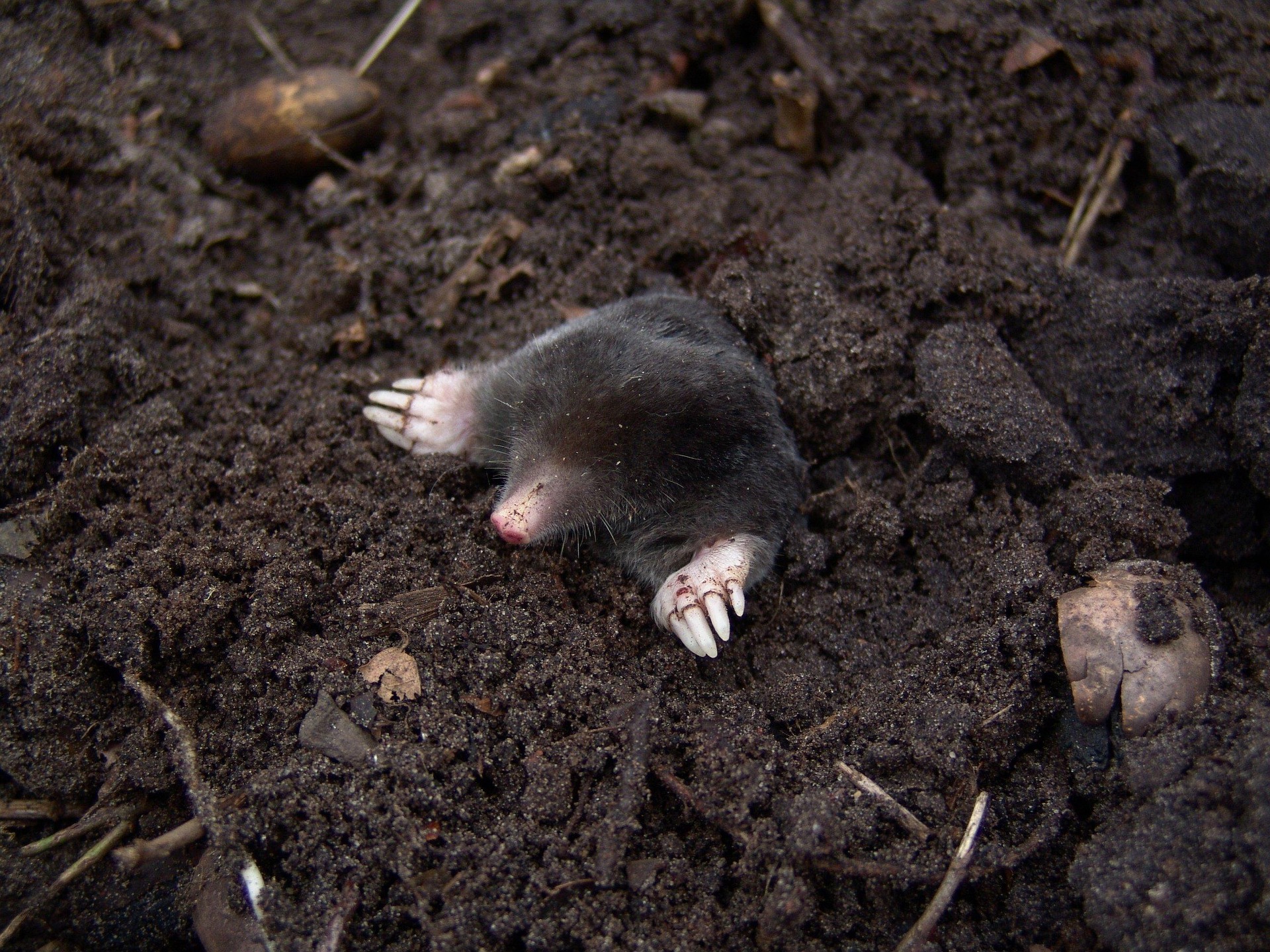 Moles are often blamed for lawn damage, but they don’t actually eat grass or plant roots. Instead, they feed on insects living in the soil.
What Moles Eat
- Grubs
- Earthworms
- Soil insects
Signs of Mole Activity
- Raised tunnels or ridges across the lawn
- Soft, spongy soil when stepped on
- Occasional small mounds of soil
These tunnels are created as moles dig through the soil searching for food. While the mole isn’t eating the turf itself, the tunneling disrupts root systems, causing grass to dry out or die in affected areas.
Why Damage Appears in Spring
Moles stay active year-round underground. During winter they often dig deeper, but in spring they return closer to the surface where soil insects are abundant—making their tunnels suddenly visible.
Voles: The Lawn and Plant Destroyers
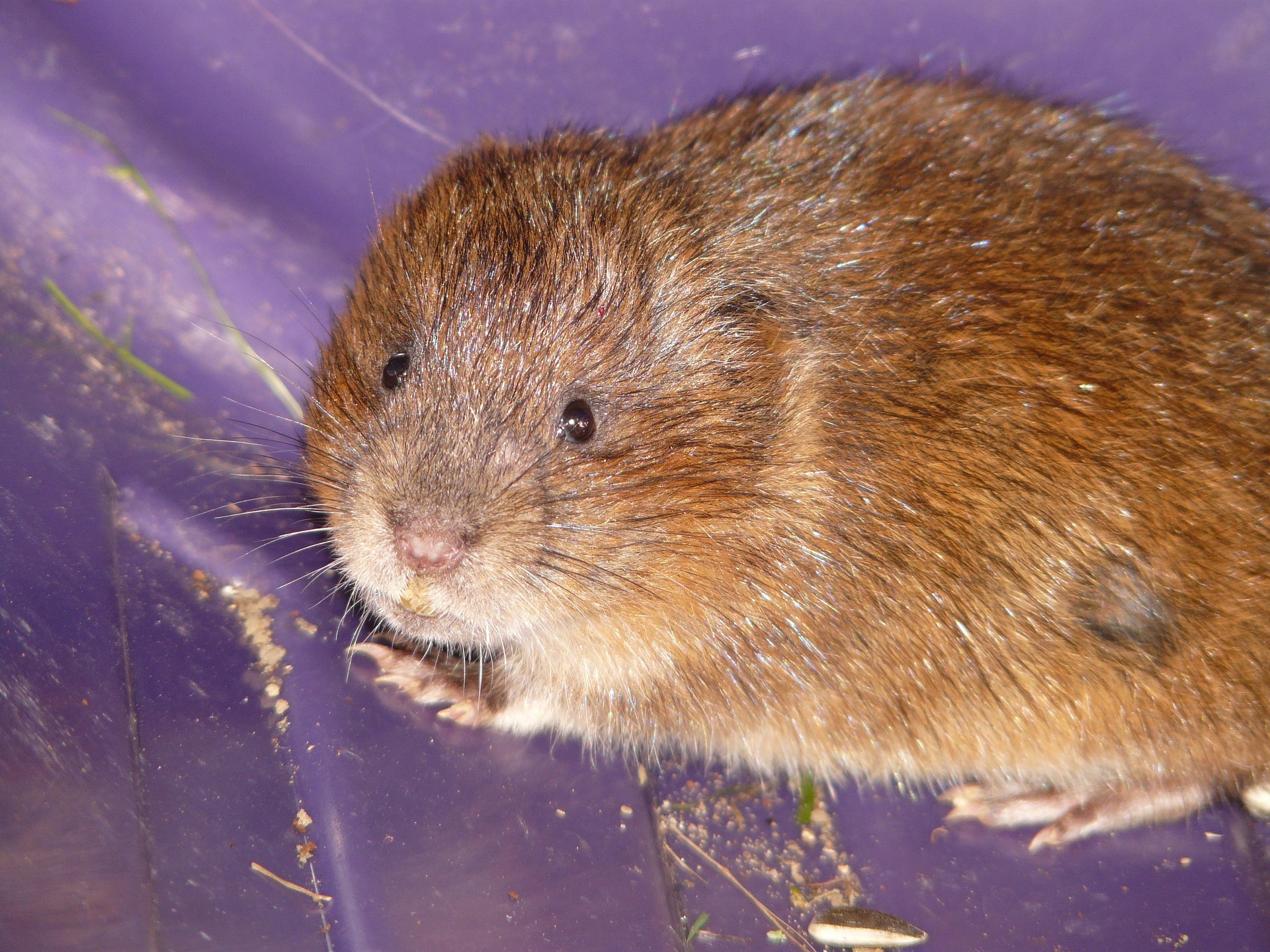 Voles are small rodents that look similar to mice but behave differently. Unlike moles, voles feed directly on plants and turf, making them one of the more destructive lawn pests.
What Voles Eat
- Grass blades
- Plant roots
- Tree and shrub bark
- Bulbs and garden plants
Signs of Vole Damage
- Surface runways in the grass (small pathways through turf)
- Grass that appears clipped or chewed
- Small burrow holes at runway entrances
- Bark damage around ornamental trees and shrubs
Voles often create networks of shallow pathways just under the grass. When snow melts, these distinct “runways” become visible, often appearing like winding tracks pressed into the lawn.
Why Voles Are Active in Early Spring
Snow cover protects voles from predators, allowing populations to grow throughout the winter. By early spring, homeowners may suddenly notice large areas of lawn damage that developed unseen during the cold months.
Field Mice: Opportunistic Lawn and Garden Feeders
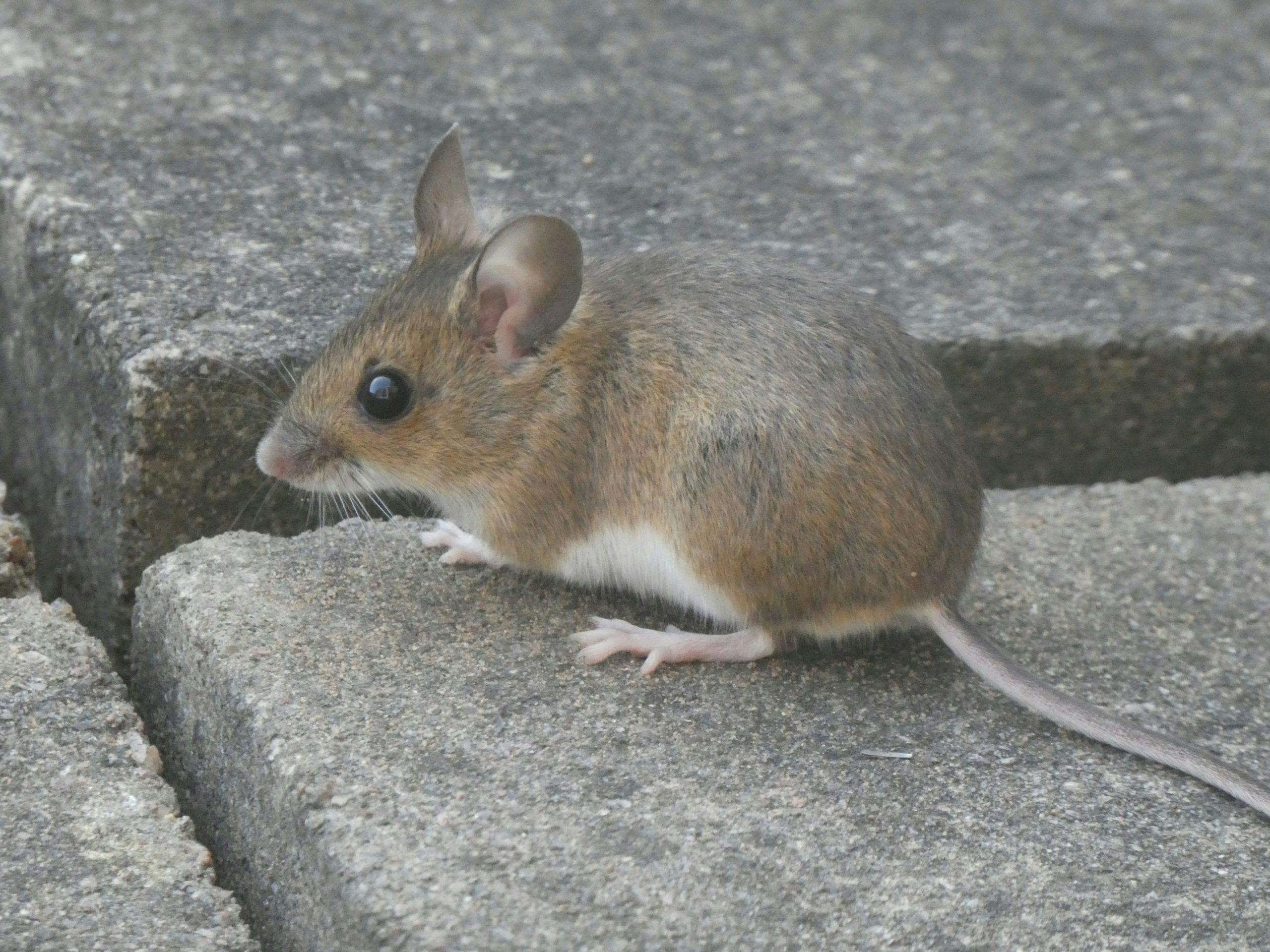 Field mice (also called deer mice in many regions) sometimes occupy lawns and landscapes, especially in areas with tall grass or nearby wooded edges.
While their damage may look similar to voles, their behavior tends to differ slightly.
What Field Mice Eat
- Seeds
- Garden plants
- Fruits and vegetables
- Occasionally grass and roots
Signs of Field Mouse Activity
- Small burrow holes in the lawn
- Feeding damage in garden beds
- Activity near structures, sheds, or woodpiles
Field mice are more likely to move between lawns, gardens, and structures, meaning their impact can extend beyond turf areas.
Comparing the Damage: Quick Identification Guide
| Pest | Key Signs | Primary Damage |
| Moles | Raised tunnels or ridges | Root disruption from tunneling |
| Voles | Surface runways and chewed grass | Turf, roots, and bark feeding |
| Field Mice | Small holes and garden feeding | Seeds, plants, and occasional turf |
Correct identification is important because each pest requires a different management strategy.
How to Reduce Lawn Damage from Small Mammals
While complete prevention is difficult, several steps can help reduce the likelihood of infestations.
- Maintain Healthy Turf – Dense, vigorous grass makes it harder for rodents to establish runways and burrows.
- Reduce Lawn Debris – Remove leaf piles, tall grass, and thick mulch where rodents can hide.
- Monitor Early Spring Activity – Inspect lawns after snow melt for tunnels, holes, or runways. Early detection can prevent damage from spreading.
- Professional Evaluation – If damage continues or becomes widespread, professional lawn care specialists can assess the problem and recommend appropriate solutions.
Protect Your Lawn This Spring
Early spring lawn damage can be frustrating, especially when it appears suddenly after winter. By understanding the difference between moles, voles, and field mice, homeowners can better identify the cause and take the right steps to protect their lawn.
At Natural Tree & Lawn Care, our team helps homeowners across Massachusetts identify turf issues early and build stronger, healthier lawns through expert care and seasonal treatments.
If your lawn is showing signs of unusual damage this spring, contact us today at 781-297-3674 for a professional evaluation and lawn care plan designed to keep your property looking its best all season long. For additional lawn care topics, visit our blog!